Best Way to Cook Broccolini Easy How-to Guide
Broccolini has become a kitchen staple across America since entering the market in 1993. This tender green vegetable offers a mild, slightly sweet flavor that works well in many dishes. Learning the best way to cook broccolini opens doors to creating delicious side dishes and main course additions.
You will discover multiple cooking techniques in this guide. Each method brings out different qualities in your broccolini. Whether you prefer roasting, sautéing, or steaming, you can master these skills quickly. The goal is helping you prepare restaurant-quality meals at home without stress or confusion.
This article breaks down how to cook broccolini into simple, manageable steps. You will learn which preparation methods work best for different cooking styles. Understanding these techniques helps you feel confident in the kitchen. By the end, you will have the knowledge to turn basic produce into something truly special on your dinner table.
Key Takeaways
- Choose fresh broccolini with vibrant green stems and tight florets
- Prep your broccolini by washing and trimming the woody ends
- Roasting creates crispy edges and brings out natural sweetness
- Sautéing with garlic and olive oil adds rich flavor quickly
- Steaming keeps nutrients intact while maintaining tender texture
- Season after cooking to preserve the vegetable’s delicate taste
- Test for doneness by piercing stems with a fork
Understanding Broccolini Basics
Broccolini stands apart from regular broccoli in several important ways. When you cook this vegetable, you’ll notice it behaves differently than what you might expect. Learning about broccolini’s unique characteristics helps you prepare it correctly every single time. This knowledge makes a real difference in your cooking results.
Knowing what makes broccolini special helps you choose the right cooking methods for your meals. The texture and flavor of this green vegetable depend on understanding its structure. You’ll get better results when you recognize these differences from the start.
What Makes Broccolini Unique
Broccolini is a hybrid vegetable created by crossing traditional broccoli with Chinese kale, also called gai lan. This crossbreeding produces a vegetable with a longer, thinner stem and smaller florets compared to standard broccoli. The flavor tastes sweeter and more delicate than regular broccoli, giving your dishes a refined touch.
These botanical differences matter when you’re cooking. The thin stems cook faster than thick broccoli stalks. The smaller florets need less heat to become tender. Your cooking time changes based on these physical characteristics.
Nutritional Benefits of Broccolini
This green vegetable packs serious nutrition into every serving. You’ll get excellent amounts of Vitamin C and Vitamin A when you eat broccolini regularly. These vitamins support your immune system and eye health.
| Nutrient | Amount per Serving | Health Benefit |
|---|---|---|
| Vitamin C | High | Boosts immune system and collagen production |
| Vitamin A | High | Supports eye health and vision |
| Fiber | Moderate | Aids digestion and gut health |
| Calcium | Moderate | Strengthens bones and teeth |
| Iron | Low to Moderate | Helps transport oxygen in blood |
Your body benefits from the vitamins and minerals broccolini provides. The green color signals the presence of chlorophyll and antioxidants. These compounds protect your cells from damage. Adding broccolini to your diet supports your overall wellness goals.
“Broccolini offers a perfect balance of nutrition and delicate flavor that appeals to home cooks and professional chefs alike.”
Understanding these basics prepares you for the preparation steps ahead. You now know why this vegetable deserves special attention in the kitchen.
Essential Broccolini Preparation Tips
Getting your broccolini ready for cooking makes all the difference in your final dish. Proper preparation removes dirt and debris while making the vegetable tender and delicious. Learning the right broccolini preparation tips ensures you start with quality ingredients that cook evenly and taste great.
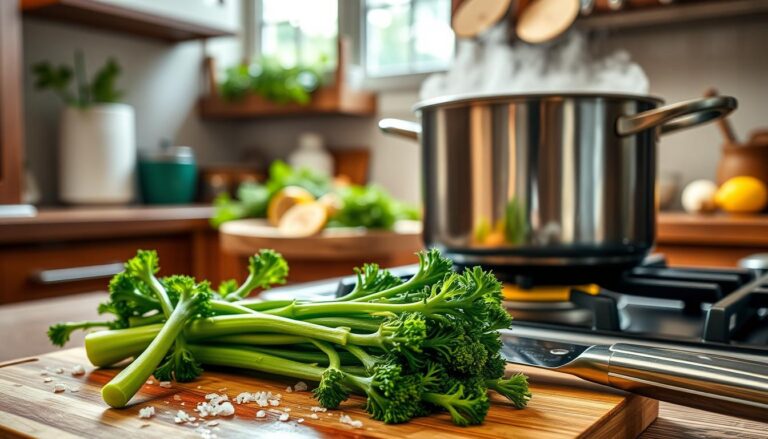
Start by rinsing your broccolini under cold running water. This simple step removes field debris and any dirt trapped between the florets. Gently rub the florets and stems with your fingers while the water runs. Pat the broccolini dry with a clean kitchen towel when you finish rinsing.
Next, trim the woody ends of your broccolini stems. Cut about half an inch from the bottom of each stem. These tough, woody parts taste bitter and feel tough when you bite into them. Removing them leaves you with tender, flavorful pieces throughout.
For thicker stems, consider peeling the lower portion with a vegetable peeler. This simple step improves texture and helps the broccolini cook more evenly. You can also cut thick stems lengthwise into smaller pieces to match the size of the florets.
- Rinse thoroughly under cold water
- Trim half an inch from the stem ends
- Peel thick stems with a vegetable peeler
- Cut large stems into uniform pieces
- Pat dry before cooking
Taking time with these basic steps prepares your broccolini for any cooking method. Whether you roast, sauté, or steam your vegetables, proper preparation creates the best results. Your effort in this stage pays off with tender, flavorful broccolini that your family will enjoy.
The Best Way to Cook Broccolini
Finding the best way to cook broccolini starts with understanding your cooking goals. Your choice depends on the flavor you want and what dish you’re serving. Different techniques produce different results. Some methods create crispy textures while others keep the vegetable tender. Knowing your options helps you pick the right approach for your meal.
The most popular broccolini cooking methods include roasting, sautéing, and steaming. Each technique brings out unique flavors and textures. Your decision comes down to what taste and texture you prefer. Time matters too. Some methods are faster than others. Planning ahead helps you choose the right cooking method for your schedule.
Selecting Your Preferred Cooking Method
When learning how to cook broccolini, start by thinking about your main course. Different proteins pair better with different cooking styles. For example, roasted broccolini works great with grilled chicken. Sautéed versions go well with pasta dishes. Steamed broccolini suits lighter meals.
Consider your kitchen tools and cooking time. Roasting uses your oven. Sautéing happens on the stovetop in a pan. Steaming requires a pot with a steamer basket. Pick what fits your kitchen setup best.
| Cooking Method | Cook Time | Texture Result | Best For |
|---|---|---|---|
| Roasting | 12-15 minutes | Crispy, charred edges | Side dishes, flavor depth |
| Sautéing | 5-8 minutes | Tender with slight firmness | Quick weeknight meals |
| Steaming | 4-6 minutes | Soft, tender throughout | Light meals, retaining nutrients |
Achieving Perfect Texture Every Time
Cooking broccolini perfectly means understanding heat control and moisture. High heat creates crispiness. Lower heat keeps vegetables tender. Watch your cooking time closely. Vegetables cook faster than you might think.
The key to success is not overcooking. Check your broccolini a few minutes before the recipe says it should be done. Taste a small piece to test doneness. The stems should bend slightly when pressed but still feel firm. Florets should have a light green color.
- Use medium to high heat for roasting and sautéing
- Keep water boiling when steaming
- Arrange pieces in a single layer for even cooking
- Stir or rotate halfway through cooking
- Remove from heat slightly early if unsure
Mastering these basic techniques helps you get consistent results. Practice makes perfect. Try each method a few times to see which you prefer. Your taste preferences and meal plans will guide your choice.
Mastering Roasted Broccolini Recipes
Roasting transforms broccolini into something truly special. This cooking method brings out natural sweetness in the vegetable while creating crispy, charred edges that taste amazing. When you roast broccolini, the heat caramelizes the sugars and gives you a deep, nutty flavor that steaming or boiling cannot achieve.
Getting great results with a roasted broccolini recipe starts with proper preparation. You want to select fresh stalks and pat them dry before cooking. Moisture prevents that beautiful browning you are looking for. Start your roasting process by tossing your broccolini pieces with quality olive oil, kosher salt, and cracked black pepper.
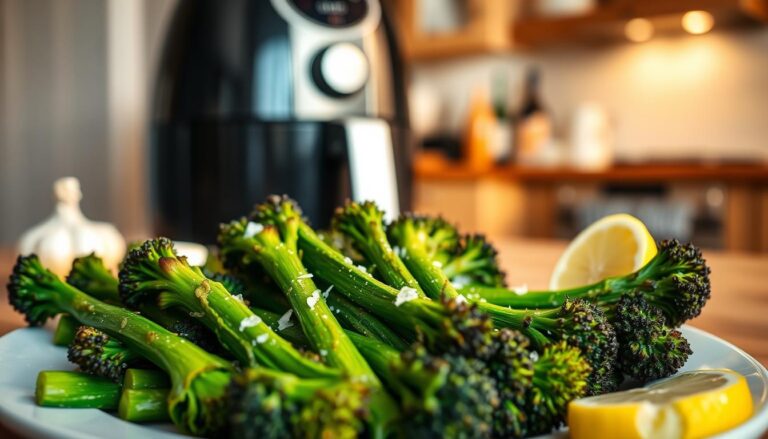
The right temperature makes all the difference in your roasted broccolini recipe. Set your oven to 400 degrees Fahrenheit and spread the broccolini in a single layer on your baking sheet. Give the pieces space so heat can reach all sides evenly. Roast for about 12 to 15 minutes until you see crispy edges and tender stems.
Timing is crucial for perfect results. Check your vegetables around the 10-minute mark. The edges should turn golden brown and slightly blackened. This charring adds wonderful flavor and texture. Remove your broccolini when the stalks feel tender when you pierce them with a fork.
- Use fresh broccolini with firm, vibrant green stems
- Pat vegetables completely dry before oiling
- Arrange pieces in a single layer without crowding
- Watch for golden-brown edges during roasting
- Serve immediately while still warm and crispy
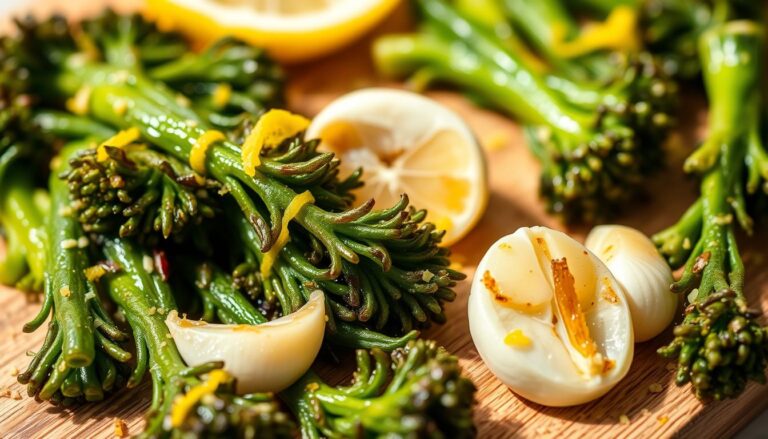
Pro tip: Add garlic, red pepper flakes, or parmesan cheese during the last few minutes for extra flavor. Your roasted broccolini will become a favorite side dish that your family requests regularly.
Techniques for Sautéed Broccolini
Sautéed broccolini offers a quick and delicious way to prepare this nutritious vegetable for weeknight meals. This cooking method brings out rich flavors while keeping the vegetable crisp and tender. The key lies in understanding how to use heat and aromatics to transform simple ingredients into something truly special. You’ll find that mastering this technique takes just a few minutes of practice.
Using Aromatics for Better Flavor
Aromatics are your secret weapons for creating depth in your sautéed broccolini. When you add minced garlic, sliced shallots, or red pepper flakes to hot oil, these ingredients release their essential oils and perfume your dish with complex flavors. The process takes less than a minute but transforms the entire cooking experience.
- Minced garlic adds a pungent, savory note
- Shallots bring a sweet and slightly tangy quality
- Red pepper flakes contribute gentle heat and spice
- Fresh ginger provides warmth and brightness
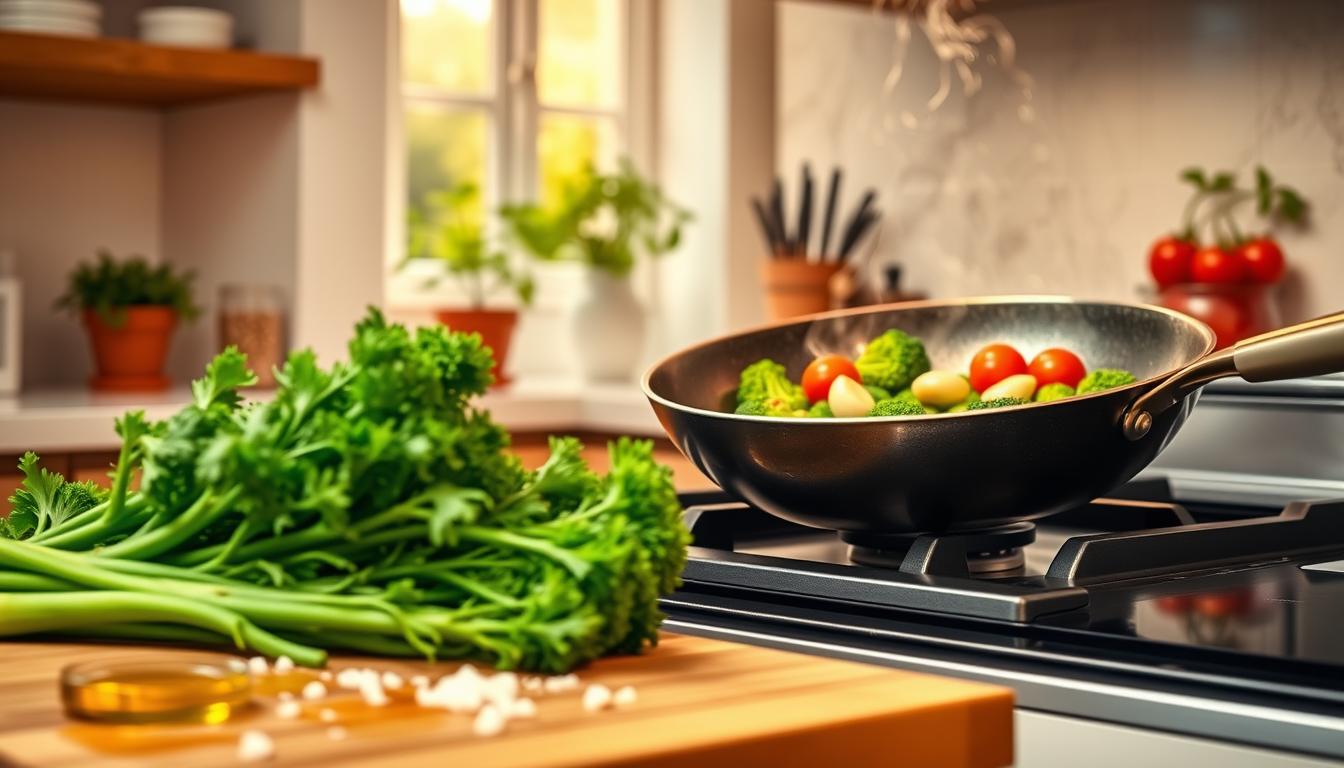
Start by heating your oil over medium-high heat. Once shimmering, add your chosen aromatics and stir constantly for 20 to 30 seconds. This timing prevents burning while releasing maximum flavor into the oil.
Managing Heat Levels for Even Cooking
Temperature control makes the difference between perfectly cooked and unevenly prepared vegetables. Begin your sautéed broccolini at medium-high heat to sear the stems, creating a light golden color on the outside. This caramelization adds sweetness and depth to your dish.
Once you add the broccolini florets and stems, add a splash of water or vegetable broth. This creates steam that gently cooks the vegetable while keeping the heat steady. Reduce to medium heat and cover the pan for 2 to 3 minutes. Your broccolini will finish cooking perfectly tender while remaining vibrant green.
| Heat Setting | Purpose | Duration |
|---|---|---|
| Medium-High | Sear aromatics and stems | 30 seconds to 1 minute |
| Medium | Steam and finish cooking | 2 to 3 minutes |
Always keep a close eye on your pan. Broccolini cooks rapidly, and adjusting your heat early prevents overcooking. The stems should pierce easily with a fork when ready, while florets remain slightly crisp at the edges.
Simple Methods for Steamed Broccolini
Steaming stands out as one of the gentlest broccolini cooking methods available to home cooks. This approach keeps your vegetables bright green and locks in valuable nutrients that other cooking techniques might strip away. When you steam broccolini, you avoid adding extra fats or oils, making it an excellent choice for anyone watching their diet.
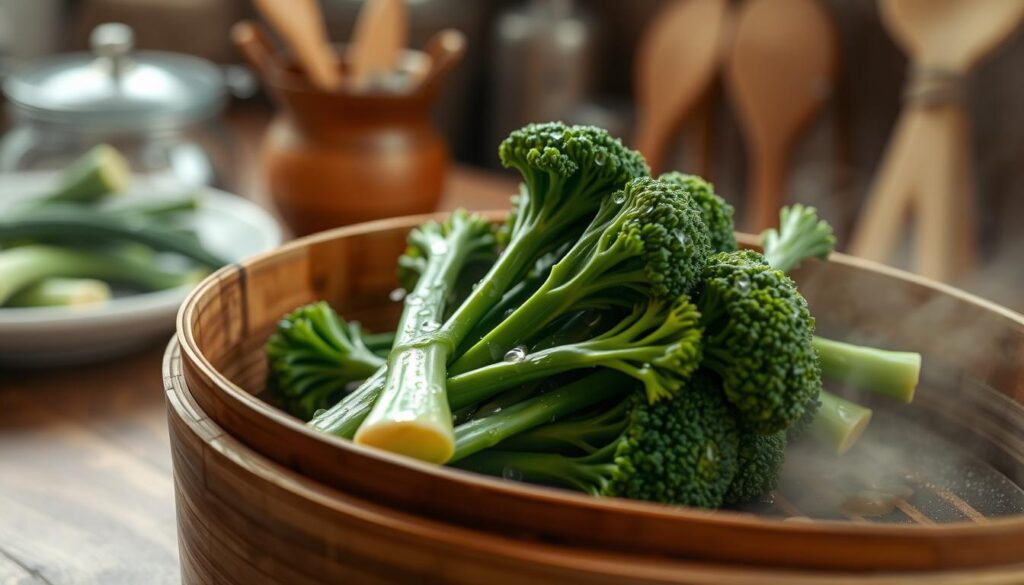
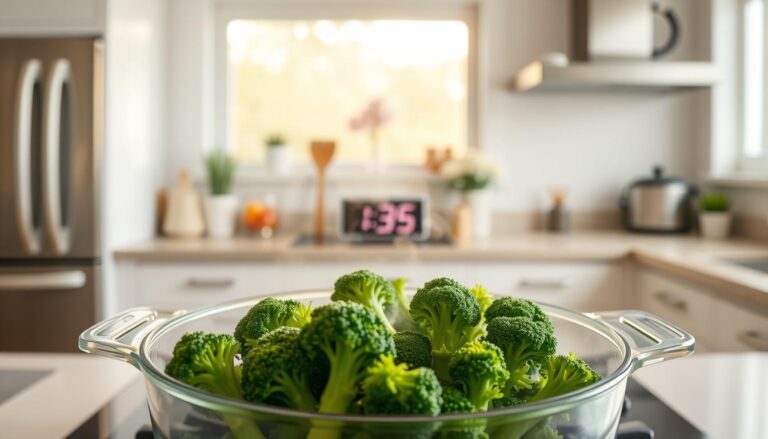
Getting started with steamed broccolini is straightforward. Fill a pot with about an inch of water and bring it to a rolling boil. Place your broccolini stalks into a steamer basket, then set the basket over the boiling water. Cover your pot tightly to trap the steam inside.
The cooking time for steamed broccolini is quick—typically 4 to 5 minutes from start to finish. This brief cooking window gives you a crisp-tender texture that feels fresh on your palate. You’ll know your broccolini is done when the stems bend slightly under gentle pressure but still offer some resistance.
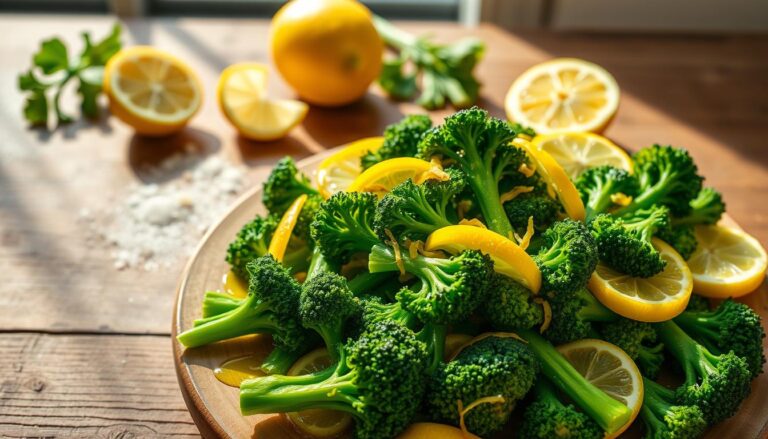
After steaming, remove your broccolini and finish it simply. A squeeze of fresh lemon juice brings out the natural sweetness of the vegetable. You can also drizzle with a touch of olive oil, sprinkle sea salt, or add minced garlic for extra flavor.
- Keeps nutrients intact
- Maintains vibrant green color
- Takes only minutes to prepare
- Requires minimal added ingredients
- Works with any steamer basket or insert
This clean cooking method showcases the true taste of broccolini without masking it with heavy sauces or cooking techniques.
Optimizing Broccolini Cooking Time
Getting the right broccolini cooking time is crucial for creating a dish that tastes delicious. The goal is to reach that perfect tender-crisp texture that makes every bite enjoyable. Most home cooks struggle with timing because they either undercook or overcook their vegetables. Learning to master this skill takes practice, but the results are worth the effort. Your broccolini should be soft enough to eat easily yet firm enough to maintain its shape and bright green color.
Timing depends on your cooking method and the thickness of your broccolini stems. Thinner stalks cook faster than thicker ones. Understanding how to adjust your approach based on what you are working with makes a real difference in your final dish.
Testing for Tenderness
The best way to check if your broccolini is ready involves using a simple tool. Take a small paring knife and pierce the thickest part of the stem. The knife should slide through with just a little resistance. Your vegetable should not feel mushy or too hard. This hands-on test beats relying on a timer alone. Every stovetop is different, so testing becomes your most reliable method for cooking broccolini perfectly.
- Pierce the stem at its thickest point
- Feel for slight resistance as the knife enters
- The knife should glide through with gentle pressure
- Remove from heat when just tender
Preventing Overcooked Vegetables
Overcooking turns your broccolini into a mushy, gray mess that nobody wants to eat. The standard cooking time ranges from 5-7 minutes for steaming or sautéing methods. Your stems should maintain a vibrant green shade throughout the process. Always pull your vegetables off the heat just before they reach your target softness because residual heat continues cooking them for another minute or two.
| Cooking Method | Standard Time | Stem Thickness | Doneness Check |
|---|---|---|---|
| Steaming | 5-7 minutes | Medium thickness | Tender but firm |
| Sautéing | 5-7 minutes | Medium thickness | Bright green color |
| Roasting | 8-12 minutes | Thicker stems | Caramelized edges |
Watching your vegetables carefully during cooking prevents disappointment. Set a timer as a reminder, but use the knife test as your real guide. Removing your broccolini at the right moment ensures you get the best texture and flavor every time.
Seasoning Your Vegetables for Maximum Flavor
Seasoning is the final step that turns your broccolini from a simple side dish into something truly memorable. You can take your cooked broccolini from plain to delicious with the right flavor combinations. The key is understanding which seasonings work best to bring out the vegetable’s natural taste.
Start with the basics. Salt and pepper are your foundation for seasoning broccolini. These simple ingredients enhance the vegetable’s earthy flavor without overpowering it. Your goal is to balance these classic seasonings with other flavors that complement the broccolini’s natural profile.
Think about adding an acidic element to brighten your dish. Lemon zest, fresh lime juice, or rice vinegar all work well. These acidic touches balance the earthy notes and make every bite taste fresher and more vibrant.
Explore different seasoning options to find your favorite combinations:
- Toasted sesame oil for a nutty, Asian-inspired taste
- Grated Parmesan cheese for a savory, umami boost
- Balsamic glaze for a sweet and tangy finish
- Red pepper flakes for a spicy kick
- Garlic powder for deeper, richer flavor
- Fresh herbs like thyme or rosemary
Layer your seasonings thoughtfully. Begin with salt and pepper, then add one or two complementary flavors. This approach prevents your broccolini from tasting overwhelming or confused. Your palate will appreciate the balance.
| Seasoning Option | Flavor Profile | Best Cooking Method |
|---|---|---|
| Lemon zest and garlic | Fresh and bright | Roasted or sautéed |
| Sesame oil and soy sauce | Rich and nutty | Sautéed or steamed |
| Parmesan and black pepper | Savory and bold | Roasted |
| Balsamic glaze and thyme | Sweet and herbaceous | Roasted |
Timing matters when you season your vegetables. Add seasonings right after cooking while your broccolini is still warm. The heat helps flavors absorb into the vegetable better. This approach ensures that seasoning penetrates throughout your dish rather than sitting only on the surface.
Choosing Fresh Produce at the Market
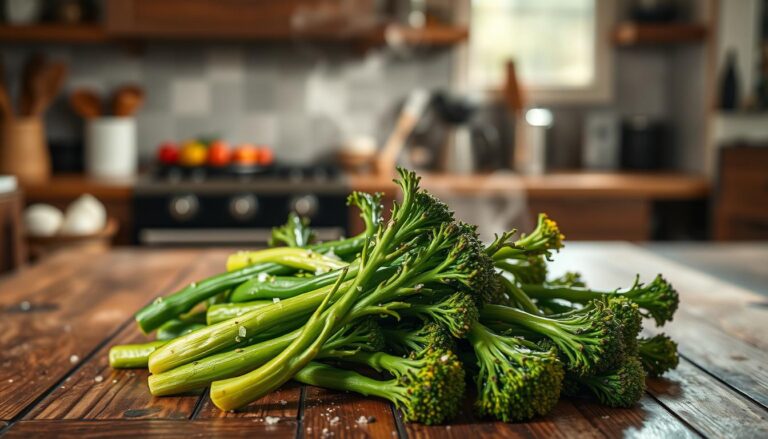
Picking the right broccolini at your local grocery store or farmers market sets the foundation for a delicious meal. Quality matters when it comes to vegetables. The best broccolini specimens display specific visual and physical characteristics that tell you they’re fresh and ready to cook.
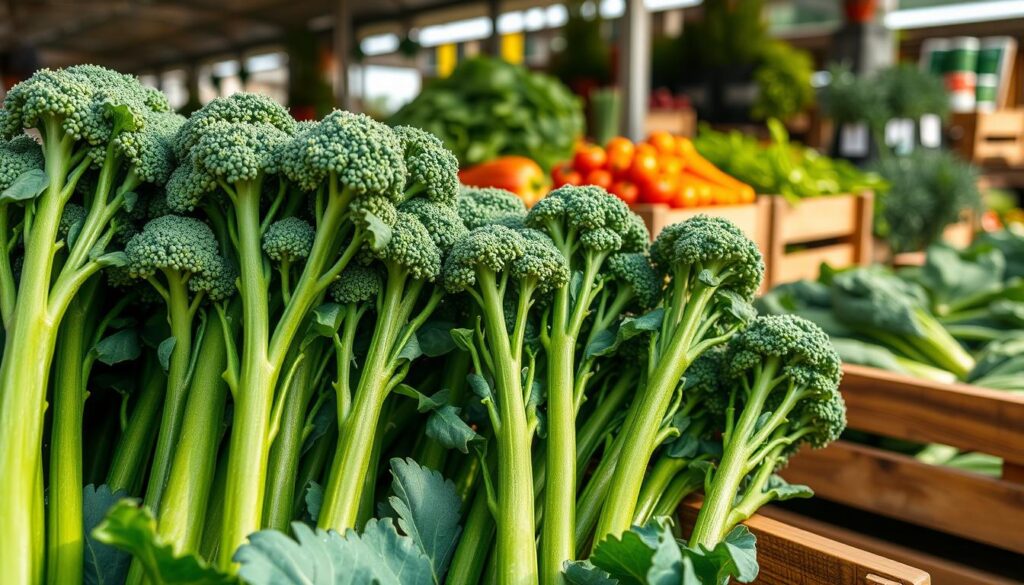
Your shopping trip begins with understanding what to look for. Fresh broccolini should feel firm to the touch and show a bright, rich green color throughout. Avoid any bunches that look tired, wilted, or have yellowing spots. The stems should stand upright and feel solid when you gently squeeze them.
Identifying Vibrant Stems
Examine the stems first when evaluating broccolini quality. Firm, bright green stems indicate freshness and proper growing conditions. Press gently on the stalk with your thumb. It should resist pressure without bending or feeling soft.
- Look for stems with no brown spots or bruising
- Avoid bunches with wilted or drooping stalks
- Choose vegetables with uniform green coloring
- Skip any with yellowing or discolored areas
Checking Floret Quality
The florets are equally important for your selection. Quality broccolini features tightly closed, dark green florets at the top. These unopened flower buds stay tender during cooking and deliver better flavor.
Open or flowering florets signal that the vegetable is past peak freshness. Look closely at the top clusters. They should appear compact and densely packed, with no visible yellow flowers breaking through. Dark green coloring shows you’re getting nutrient-rich produce.
| What to Choose | What to Avoid |
|---|---|
| Firm, bright green stems | Soft or wilted stalks |
| Tightly closed florets | Open or flowering tops |
| Dark green coloring | Yellow or brown spots |
| No visible bruising | Damaged or black areas |
Taking time to select quality broccolini guarantees superior texture and taste in your finished dish. Your careful choices at the market directly impact your cooking success.
Common Mistakes to Avoid When Cooking
Cooking broccolini requires attention to detail. Many home cooks make simple errors that ruin the final dish. Learning what to avoid helps you achieve restaurant-quality results at home. These mistakes happen to beginners and experienced cooks alike.
One of the biggest problems is not drying your broccolini thoroughly after washing. Wet vegetables steam instead of roast. This prevents the crispy texture you want. Always pat your broccolini completely dry with paper towels before cooking. This step is crucial for getting that golden, caramelized exterior.
Overcrowding your pan is another frequent mistake that ruins your meal. When you pack too much broccolini into one pan, the temperature drops quickly. This causes uneven cooking. Some pieces stay pale while others burn. Give your vegetables space to cook properly. Work in batches if needed.
Following solid broccolini preparation tips makes a real difference in your cooking. Consider these key points:
- Trim the woody ends before cooking
- Make sure your pan is hot enough before adding vegetables
- Leave space between pieces for air circulation
- Use high heat for roasting or sautéing
- Avoid washing broccolini right before cooking
Paying attention to these technical details ensures your broccolini turns out perfectly every single time. Small adjustments in your cooking process lead to big improvements in taste and texture.
Pairing Your Dish with Main Courses
Broccolini is a versatile vegetable that works well with many main dishes. The key to great meal planning is matching your broccolini preparation with the right proteins and starches. By understanding flavor profiles and cooking styles, you can create balanced, satisfying dinners that your family will enjoy.
Think about the intensity of your main course when selecting how to prepare your broccolini. Light preparations pair better with delicate proteins, while bold flavors complement rich meats. This simple approach helps you build meals that taste cohesive and complete.
Serving Suggestions for Dinner
A roasted broccolini recipe makes an excellent choice for pairing with grilled steak or roasted chicken. The caramelized edges and crispy texture complement the richness of these proteins beautifully. For pasta nights, sautéed broccolini with garlic becomes a classic addition that enhances noodle dishes without overwhelming them.
When serving lighter meals, steamed broccolini works perfectly alongside baked salmon or grain bowls. This preparation keeps your dinner feeling fresh and healthy. The mild flavor allows other ingredients to shine while adding nutrition and color to your plate.
Complementary Side Dishes
Build your dinner plate by considering what other sides you’re serving. Broccolini pairs well with roasted potatoes, rice pilaf, and fresh salads. The following table shows popular pairing combinations:
| Main Course | Broccolini Preparation | Best Side Dish | Flavor Profile |
|---|---|---|---|
| Grilled Steak | Roasted with olive oil | Mashed potatoes | Rich and savory |
| Baked Salmon | Steamed with lemon | Quinoa | Light and fresh |
| Pasta Alfredo | Sautéed broccolini with garlic | Garlic bread | Creamy and bold |
| Roasted Chicken | Roasted with garlic | Brown rice | Balanced and warm |
| Baked Tofu | Steamed with sesame oil | Stir-fried vegetables | Light and Asian-inspired |
Use these combinations as inspiration for your meal planning. Mix and match based on your preferences and what you have available in your kitchen.
Conclusion
You now have all the tools you need to cook broccolini like a pro. Mastering this vegetable starts with understanding the right broccolini cooking time for your preferred method. Whether you choose to roast, sauté, or steam, you can create delicious results every single time.
The key to success lies in selecting fresh produce and paying close attention to texture as your vegetables cook. Your kitchen skills will grow stronger with each meal you prepare. Experiment with different seasonings and cooking techniques to find what works best for your taste buds and your family’s preferences.
Start using these simple methods today to bring more nutrition and flavor to your dinner table. Your commitment to learning these cooking skills will pay off with healthier, more satisfying meals. Enjoy the journey of becoming more confident in the kitchen and sharing wonderful food with the people you care about most.
FAQ
What is the best way to cook broccolini for maximum flavor?
The best way to cook broccolini depends on your desired flavor profile. Roasting at 400 degrees Fahrenheit for 12-15 minutes creates a caramelized, nutty flavor with crispy edges. Sautéing with aromatics like garlic and red pepper flakes delivers quick, flavorful results in just a few minutes. Steaming for 4-5 minutes preserves nutrients and the vegetable’s bright green color. Each method offers distinct culinary results, so choose based on your main course and taste preferences.
How should I prepare broccolini before cooking?
Proper broccolini preparation tips include rinsing the stalks thoroughly under cold running water to remove field debris. Trim about half an inch off the woody ends of the stems to ensure tenderness in every bite. If the stems are particularly thick, peel the lower portion with a vegetable peeler to improve the final texture. For roasting, pat the broccolini completely dry to allow for proper searing and caramelization.
What is the ideal broccolini cooking time?
The standard broccolini cooking time for achieving a tender-crisp texture is 5-7 minutes, though this varies based on stem thickness. Steamed broccolini typically requires 4-5 minutes, while sautéed broccolini needs about 5-7 minutes depending on your heat level. Roasted broccolini takes approximately 12-15 minutes at 400 degrees Fahrenheit. Always test for tenderness by piercing the thickest part of the stem with a paring knife—it should offer slight resistance but slide through easily.
How do I know when broccolini is cooked perfectly?
To achieve cooking broccolini perfectly, test for tenderness using a paring knife. The stem should offer slight resistance but pierce easily without being mushy. The florets should remain vibrant green, and the edges should show light browning when roasting. Remove the vegetables from heat just before reaching your desired softness level, as they continue cooking from residual heat. This ensures a crisp-tender texture that maintains the vegetable’s natural sweetness.
What are the different broccolini cooking methods available?
There are three primary broccolini cooking methods: roasting creates caramelized, nutty flavors with crispy edges; sautéing delivers quick results with aromatic infusions; and steaming preserves maximum nutrients while maintaining bright color. Each method produces distinct textures and flavor profiles. A roasted broccolini recipe is ideal for caramelization, sautéed broccolini works well for busy weeknights, and steamed broccolini is perfect for health-conscious meals.
How do I make a roasted broccolini recipe?
To prepare a roasted broccolini recipe, toss the stalks with high-quality olive oil, kosher salt, and cracked black pepper. Spread them in a single layer on a baking sheet and roast at 400 degrees Fahrenheit for 12-15 minutes until the edges are crispy and stems are tender. For best results, ensure the broccolini is completely dry before roasting to allow proper caramelization. This method transforms the vegetable’s natural sugars into deep, savory, charred flavors.
What makes sautéed broccolini so flavorful?
Sautéed broccolini gains complexity from aromatics like minced garlic, red pepper flakes, or shallots. Start with medium-high heat to sear the stems, creating a flavorful crust. Add a splash of water or broth to steam them through, ensuring the florets remain vibrant while the stems become tender. This dual-action approach combines searing for flavor development with gentle steaming for even cooking, delivering restaurant-quality results in minutes.
Is steamed broccolini a healthy cooking option?
Yes, steamed broccolini is one of the healthiest broccolini cooking methods because it preserves the maximum amount of nutrients and maintains the vegetable’s bright green color. Simply place the stalks in a steamer basket over an inch of boiling water and cover tightly. This gentle process takes only 4-5 minutes and requires no added fats. You can enhance the simple, clean flavor with a squeeze of fresh lemon juice while enjoying all the natural sweetness of the vegetable.
How can I prevent overcooking broccolini?
Preventing overcooked vegetables requires careful monitoring of your broccolini cooking time and heat management. Always test for tenderness before your target time expires by piercing the thickest stem section with a paring knife. Remove the vegetables from heat just before achieving your desired softness, as residual heat will continue the cooking process. Using a timer and checking doneness early helps you achieve the crisp-tender texture that makes this vegetable delicious.
What seasoning options work best for broccolini?
Beyond salt and pepper, you can elevate your broccolini with toasted sesame oil, grated Parmesan cheese, or balsamic glaze. Adding acidic elements like lemon zest or rice vinegar brightens the earthy notes and complements the vegetable’s natural profile. Garlic, red pepper flakes, and fresh herbs also work exceptionally well. By balancing these flavors thoughtfully, you ensure every bite is seasoned to perfection while highlighting the broccolini’s unique characteristics.
What should I look for when selecting fresh broccolini at the market?
When choosing fresh broccolini, look for firm, bright green stems with no signs of wilting, yellowing, or bruising. Check the florets to ensure they are tightly closed and dark green—any signs of flowering indicate the vegetable is past its peak freshness. High-quality produce selected at the market guarantees superior texture and flavor in your final dish, whether you choose a roasted broccolini recipe or another cooking method.
What are common mistakes when cooking broccolini?
Common errors include failing to dry the broccolini thoroughly after washing, which prevents proper searing and leads to steaming instead of roasting. Overcrowding the pan causes temperature drops and uneven cooking results. Additionally, neglecting to trim the woody ends or peeling thick stems can result in tough, unpleasant textures. Following essential broccolini preparation tips and ensuring your pan is hot enough will help you avoid these pitfalls and achieve consistent, professional results.
How does broccolini pair with different main courses?
Roasted broccolini recipes serve excellently alongside grilled steak or roasted chicken, providing earthy flavors that complement rich proteins. Sautéed broccolini with garlic is a classic partner for pasta dishes, adding bright vegetable notes to starchy bases. For lighter meals, steamed broccolini pairs perfectly with baked salmon or quinoa bowls, offering nutritional balance. By considering your main course’s flavor profile, you can select the best way to cook broccolini that enhances your complete dinner.
What makes broccolini different from regular broccoli?
Broccolini is a unique hybrid vegetable created by crossing traditional broccoli with Chinese kale, also known as gai lan. This crossbreeding results in longer, thinner stems and smaller florets that offer a sweeter, more delicate flavor profile than standard broccoli. Understanding these botanical characteristics helps you appreciate why this vegetable requires specific handling and often shorter cooking times compared to its larger counterparts.
What are the nutritional benefits of broccolini?
Broccolini is an excellent source of Vitamin C and Vitamin A, providing significant health benefits in every serving. These nutrients support immune function, vision health, and overall wellness. The vegetable’s high nutrient density combined with its low calorie content makes it an ideal choice for health-conscious cooking. By learning how to cook broccolini using various methods, you can incorporate this nutritious vegetable into your regular meal planning.
Can I prepare broccolini ahead of time?
Yes, you can prepare broccolini ahead by rinsing, trimming, and peeling the stems. Store the prepared stalks in an airtight container in the refrigerator for up to 2-3 days. However, for best results, cook the broccolini closer to serving time to maintain optimal texture and color. If you must prepare it in advance, following proper broccolini preparation tips ensures the vegetable remains fresh and ready for your chosen cooking method.
How do I cook broccolini for a crowd?
Roasting is the best way to cook broccolini for large groups because you can prepare multiple baking sheets simultaneously. Toss all your broccolini with olive oil, salt, and pepper, spread across sheets in single layers, and roast at 400 degrees Fahrenheit for 12-15 minutes. This method allows you to cook larger quantities while maintaining consistent results. You can also prepare sautéed broccolini in batches using a large skillet or wok, ensuring even heat distribution throughout the cooking process.