How to Cook Broccolini: Easy Methods & Tips
Did you know that, according to the CDC, only about 1 in 10 adults meets the recommended daily intake of fruits and vegetables? What if the easiest way to change that was not another complicated salad, but a fast, flavorful broccolini Asian recipe that tastes like something you would order from a restaurant? Many people assume vegetables need heavy sauces, long roasting times, or complicated techniques to taste great. This recipe proves the opposite. With crisp-tender broccolini, garlic, ginger, soy sauce, and sesame, you can create a vibrant side dish in under 20 minutes.
This easy broccolini Asian recipe is perfect for weeknight dinners, meal prep, and anyone who wants a healthy vegetable side dish without spending much time in the kitchen. It pairs beautifully with rice, noodles, tofu, salmon, chicken, or steak. Whether you call broccolini baby broccoli, tenderstem broccoli, or broccolini, this green vegetable is a quick-cooking alternative to regular broccoli and Chinese broccoli. If you are looking for a simple Asian-style broccolini recipe, this guide gives you the ingredients, timing, cooking methods, storage tips, and common mistakes to avoid so your results are crisp, glossy, and full of umami flavor.
Ingredients for This Broccolini Asian Recipe
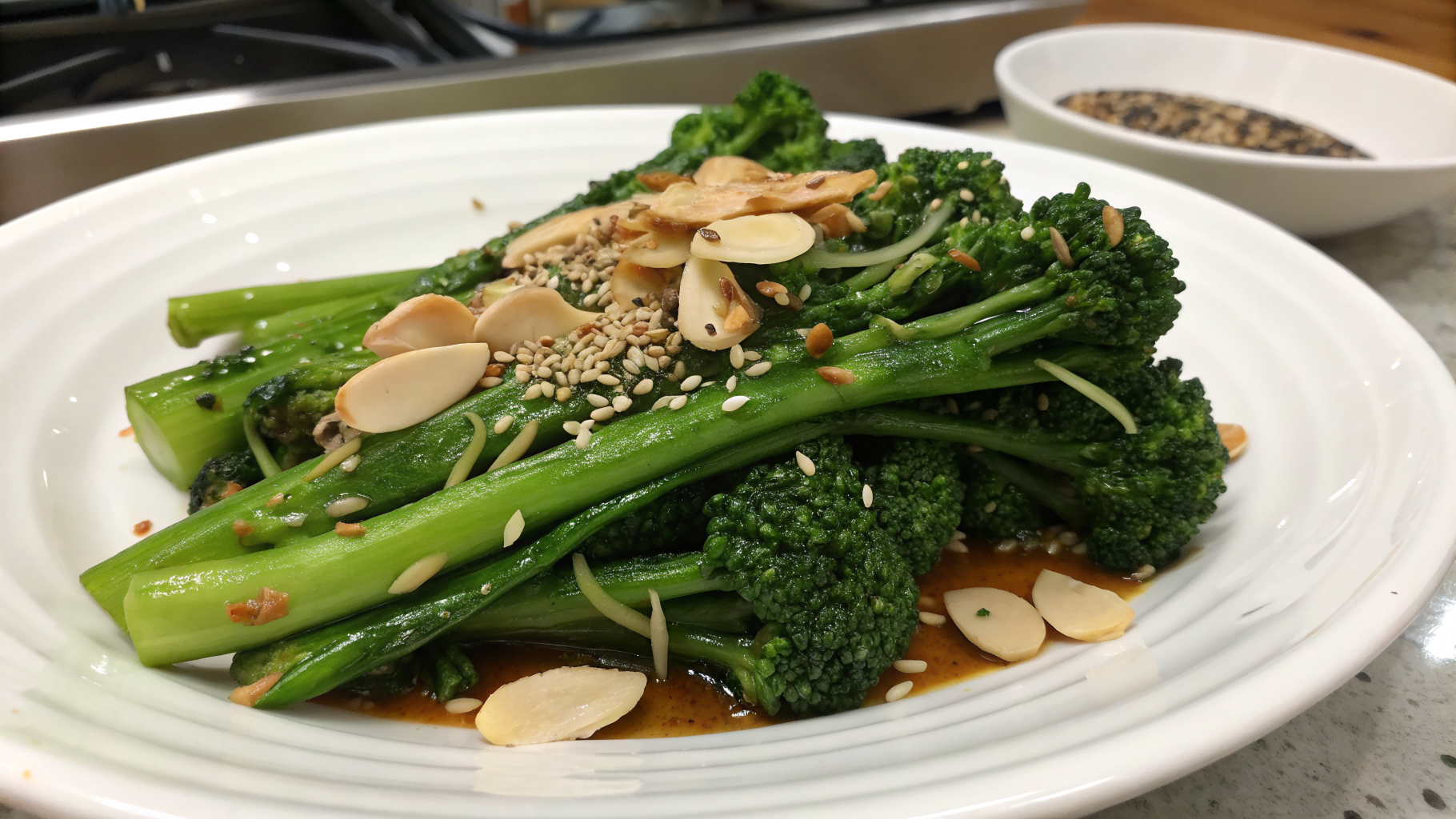
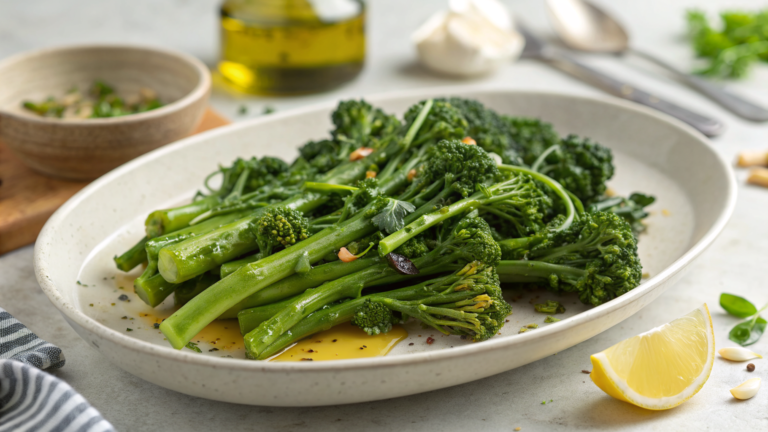
The beauty of this broccolini Asian recipe is that it uses pantry-friendly ingredients while still delivering a fresh, restaurant-style flavor. Broccolini has a mild, slightly sweet taste with tender stems, making it an excellent base for bold Asian-inspired seasonings.
Main Ingredients
- Broccolini – Look for bright green florets and firm stems. Fresh broccolini should snap cleanly rather than bend. If you cannot find broccolini, you can use regular broccoli florets, baby broccoli, or Chinese broccoli, though cooking times may vary slightly.
- Neutral cooking oil – Avocado oil, canola oil, or light olive oil work well for stir-frying. For extra depth, use a small amount of peanut oil.
- Garlic – Freshly minced garlic gives the dish its aromatic base. If you are short on time, jarred minced garlic can work, but fresh garlic offers a brighter flavor.
- Fresh ginger – Ginger adds warmth and a subtle citrus-like spice. You can substitute ginger paste if fresh ginger is unavailable.
- Soy sauce – This creates the savory, salty foundation of the sauce. Use low-sodium soy sauce if you prefer more control over seasoning.
- Rice vinegar – A splash of rice vinegar adds balance and lifts the sauce with mild acidity.
- Honey or maple syrup – A little sweetness helps round out the soy sauce and encourages a glossy finish. For a vegan version, use maple syrup.
- Toasted sesame oil – This gives the dish its signature nutty aroma. Add it near the end to preserve its flavor.
- Water or vegetable broth – A small amount creates steam and helps the broccolini cook evenly.
- Optional chili flakes or chili crisp – Add these if you enjoy a spicy kick.
Optional Finishing Touches
- Toasted sesame seeds
- Thinly sliced green onions
- A squeeze of lime
- A sprinkle of furikake
- Crispy fried shallots
- A dash of chili oil
These toppings add texture and visual appeal, making the dish feel more satisfying and restaurant-worthy.
Timing: How Long This Broccolini Asian Recipe Takes
One of the reasons this broccolini Asian recipe works so well for busy evenings is speed. Instead of roasting broccolini for 25 to 30 minutes, this stovetop method uses a quick steam-sauté technique that keeps the stems crisp while allowing the florets to absorb the sauce.
| Stage | Time Needed |
|---|---|
| Prep time | 8 to 10 minutes |
| Cook time | 7 to 9 minutes |
| Total time | 15 to 19 minutes |
That means this recipe can be ready in under 20 minutes, which is often 30% to 40% faster than many roasted broccoli or sheet-pan vegetable recipes. This makes it especially useful on nights when you want a homemade side dish but do not want to wait for the oven to preheat.
If you are cooking for one or two people, this recipe can come together even faster because it requires only one skillet or wok. For meal prep, you can double the batch and cook in two rounds to avoid overcrowding the pan.
Step-by-Step Instructions
Step 1: Wash and Trim the Broccolini
Start by rinsing the broccolini under cold water. Shake off the excess moisture or pat it lightly dry. Trim about half an inch from the bottom of the stems, especially if they look dry or woody. If the stems are thick, you can slice them in half lengthwise so they cook at the same rate as the florets.
A helpful tip: keep the pieces uniform. Even sizing means the stems will become tender without the delicate florets turning mushy. This is one of the simplest ways to improve texture in any stir-fried vegetable recipe.
Step 2: Make the Asian-Style Sauce
In a small bowl, whisk together soy sauce, rice vinegar, honey or maple syrup, and a small splash of water or broth. If you like heat, add a pinch of chili flakes now. Keep the sesame oil separate for later, because heating it too long can dull its fragrant, nutty character.
Making the sauce before you start cooking is important. Stir-frying moves quickly, and having everything ready helps you avoid overcooking the broccolini while you search for ingredients.
Step 3: Heat the Pan and Add Aromatics
Place a large skillet, sauté pan, or wok over medium heat. Add the neutral oil and let it warm for about 30 seconds. Add the minced garlic and ginger, then stir for 30 to 60 seconds until fragrant. Be careful not to brown the garlic too much, as it can quickly turn bitter.
This step builds the flavor base. The garlic should smell toasty and aromatic, while the ginger should add a fresh zing. If the garlic starts to stick, reduce the heat slightly or add a teaspoon of water.
Step 4: Sauté the Broccolini
Add the trimmed broccolini to the pan. Use tongs to toss it in the garlic and ginger oil. Cook for 2 to 3 minutes, allowing the stems to get a little color. You want a light sear, not deep browning. The goal is crisp-tender broccoli stems with a bright green color.
If you love extra flavor, you can let the broccolini sit undisturbed for about 30 seconds between tosses. This creates gentle caramelization and enhances the natural sweetness of the vegetable.
Step 5: Steam-Sauté Until Tender-Crisp
Pour in a small splash of water or vegetable broth, then immediately cover the pan. Let the broccolini steam for 2 to 3 minutes. This step helps the stems soften without drying out the florets.
Remove the lid and check the texture. The broccolini should be tender enough to bite through easily but still have a slight snap. If it needs another minute, add one more tablespoon of water and continue cooking briefly.
This steam-sauté method is one of the best ways to cook broccolini because it keeps the vegetable vibrant and prevents it from becoming tough or soggy.
Step 6: Add the Sauce and Glaze
Lower the heat slightly and pour the sauce over the broccolini. Toss everything together until the stems and florets are evenly coated. Let the sauce bubble gently for 1 to 2 minutes. It will reduce slightly and cling to the broccolini in a glossy coating.
Remove the pan from the heat, then drizzle in the toasted sesame oil. Taste and adjust as needed. If the sauce is too salty, add a splash of water or a little extra honey. If it needs brightness, add a few drops of rice vinegar.
Step 7: Serve Immediately with Fresh Toppings
Transfer the broccolini to a serving plate. Sprinkle with toasted sesame seeds and sliced green onions. For a more personalized finish, add chili crisp for spice, lime for freshness, or crushed peanuts for crunch.
This broccolini Asian recipe is best served warm, though it can also be enjoyed at room temperature as part of a grain bowl or meal prep plate.
Nutritional Information
Broccolini is a nutrient-dense vegetable that fits well into a balanced diet. Like broccoli, it provides fiber, vitamin C, vitamin K, folate, and potassium, while being relatively low in calories. The exact nutrition for this recipe depends on the amount of oil, honey, and soy sauce used.
Based on typical ingredient amounts, one serving of this Asian-style broccolini recipe may provide approximately:
| Nutrient | Estimated Amount per Serving |
|---|---|
| Calories | 120 to 160 |
| Protein | 4 to 6 grams |
| Carbohydrates | 10 to 14 grams |
| Dietary fiber | 3 to 5 grams |
| Sugars | 5 to 8 grams |
| Total fat | 8 to 10 grams |
| Saturated fat | 1 to 1.5 grams |
| Sodium | 500 to 700 milligrams |
These values are estimates and can vary based on brand and portion size. According to nutrition data commonly associated with broccoli vegetables, broccolini can be a helpful source of plant-based nutrients. It supports a high-fiber eating pattern and can help add color and volume to meals without requiring many calories. However, it is not a substitute for medical advice or personalized dietary guidance.
Healthier Alternatives for the Recipe
This recipe is already flexible, but you can easily adapt it to fit different dietary preferences. Here are several simple swaps that maintain flavor while changing the nutrition profile.
Lower-Sodium Option
Use reduced-sodium soy sauce or tamari. You can also cut the soy sauce slightly and replace it with a little more water, lime juice, or vegetable broth. This helps control sodium while keeping the sauce savory.
Gluten-Free Version
Use certified gluten-free tamari or coconut aminos. Coconut aminos are naturally sweeter and less salty than soy sauce, so you may need less added honey.
Lighter Oil Version
Use a nonstick skillet and reduce the oil by 1 teaspoon. You can also steam the broccolini first, then finish it quickly with the sauce and aromatics. Keep in mind that a small amount of fat helps absorb fat-soluble vitamins, so completely removing oil is not always necessary.
No Added Sugar Version
Omit the honey or maple syrup and rely on the natural sweetness of broccolini. If the sauce tastes too sharp, add a small amount of grated carrot or a splash of orange juice.
Extra Protein Ideas
Add baked tofu, edamame, tempeh, shrimp, chicken, or salmon. For a plant-based meal, serve the broccolini over brown rice or quinoa with crispy tofu.
Extra Vegetable Volume
Mix in sliced mushrooms, bell peppers, snap peas, carrots, or water chestnuts. This makes the dish more filling and adds different textures.
Serving Suggestions
One of the best things about this broccolini Asian recipe is how versatile it is. It can be a simple side dish, a noodle topping, or even part of a larger meal prep menu.
With Rice or Noodles
Serve it over steamed jasmine rice, brown rice, coconut rice, or cauliflower rice. It also works well tossed with soba noodles, ramen noodles, rice noodles, or udon. The sauce coats the grains and noodles beautifully.
With Protein
It pairs well with grilled salmon, teriyaki chicken, ginger tofu, shrimp, beef stir-fry, or air-fried tofu. If you are serving meat, let the broccolini act as the fresh, bright balance to richer proteins.
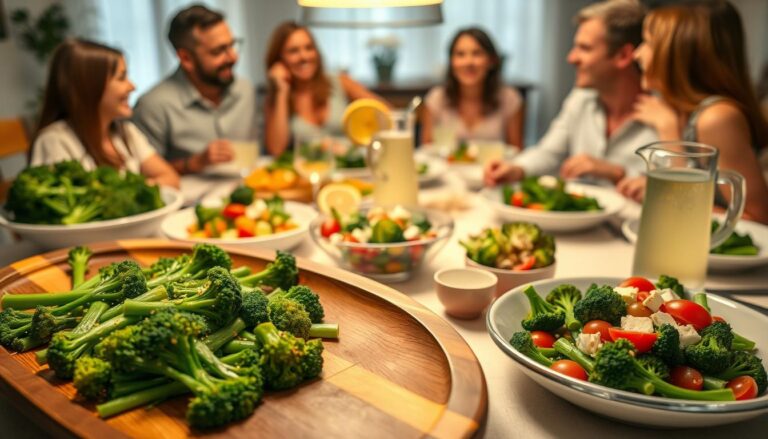
As a Party Side
Serve it warm in a large dish with sesame seeds and chili flakes on top. It holds up well at room temperature for a short time, making it a good option for gatherings.
In Meal Prep Bowls
Layer cooked rice, a protein source, pickled vegetables, and this broccolini in separate compartments. Add the sauce right before eating if you want the best texture.
For Kids
If you are feeding children, reduce or omit the chili flakes. You can also serve the broccolini with a small side of rice and a mild dipping sauce, such as diluted teriyaki sauce or a little extra sesame oil mixed with soy sauce.
Common Mistakes to Avoid
Even a simple recipe can go wrong if a few key details are missed. Here are the most common mistakes people make when cooking an Asian-style broccolini recipe and how to avoid them.
Overcrowding the Pan
When too much broccolini goes into the pan at once, the temperature drops and the vegetable steams instead of sautéing. This can lead to a soggy texture. Cook in batches if necessary or use a large wok.
Cutting Uneven Pieces
Thick stems and small florets cook at different rates. If the pieces are uneven, some may become mushy while others remain tough. Trim and split thick stems so everything cooks evenly.
Adding Garlic Too Early
Garlic can burn quickly, especially in a hot pan. Add it just before the broccolini, and reduce the heat if it starts to darken rapidly. Burnt garlic can make the entire dish taste harsh.
Overcooking the Broccolini
Broccolini should stay bright green and crisp-tender. If it turns dull olive-green and soft, it has likely been cooked too long. Start checking around the 6-minute mark, depending on stem thickness.
Using Too Much Soy Sauce
Adding too much soy sauce can make the dish overly salty and mask the natural sweetness of the broccolini. Add sauce gradually, taste, then adjust.
Skipping the Toasted Sesame Oil
Toasted sesame oil is a finishing ingredient, not usually a high-heat cooking oil. Adding it at the end preserves its aroma and gives the dish a more authentic Asian-inspired flavor.
Storing Tips for the Recipe
This broccolini Asian recipe stores well, making it a smart option for leftovers and meal prep.
Refrigerating Leftovers
Let the broccolini cool to room temperature, then transfer it to an airtight container. It can be stored in the refrigerator for up to 3 days. If possible, store the sauce separately to keep the texture from becoming too soft.
Reheating
Reheat gently in a skillet over medium-low heat for 2 to 3 minutes. You can also microwave it briefly, but a skillet helps revive the sear and prevents the broccolini from turning mushy. Add a teaspoon of water or broth if the sauce has thickened too much.
Freezing
Freezing is possible, but the texture may become softer after thawing. If you plan to freeze it, slightly undercook the broccolini and store it in a freezer-safe container for up to 1 month. Thaw in the refrigerator overnight and reheat gently.
Prepping Ahead
You can wash and trim broccolini up to 2 days in advance. Store it in a container lined with a paper towel to absorb excess moisture. Make the sauce separately and keep it in a sealed jar in the refrigerator. Shake or whisk before using.
Conclusion
This broccolini Asian recipe is a quick, flavorful way to enjoy one of the most versatile green vegetables in your produce drawer. With only a handful of ingredients and less than 20 minutes of total time, it delivers a satisfying balance of savory, sweet, nutty, and lightly garlicky flavors. The steam-sauté method helps keep the broccolini crisp, bright, and tender-crisp, while the soy-ginger-sesame sauce makes it feel special without requiring advanced cooking skills.
If you have been looking for an easy way to make vegetables more exciting, start here. Try the recipe as written, then make it your own with chili crisp, lime, toasted nuts, or extra protein. Whether you serve it as a simple side dish, a noodle topping, or a meal prep staple, this broccolini recipe is designed to fit into real life.
If you make this recipe, share what worked best for you. Did you prefer it with tofu, salmon, spicy chili crisp, or extra sesame seeds? Trying more vegetable-forward meals? Explore other quick stir-fry ideas, 15-minute side dishes, and easy Asian-inspired recipes to build your weeknight rotation.
FAQs
What is broccolini?
Broccolini is a green vegetable related to broccoli, featuring slender stems and small florets. It has a milder, slightly sweeter taste than regular broccoli and cooks faster because the stems are tender.
Is broccolini the same as broccoli rabe?
No. Broccolini is mild and slightly sweet, while broccoli rabe has a more bitter, leafy profile. They are not always interchangeable in recipes, especially if you want a tender, quick-cooking vegetable.
Can I use frozen broccolini for this recipe?
Yes, but the texture will be softer. If using frozen broccolini, add it directly to the pan and cook until heated through. You may want to reduce the added water since frozen vegetables release moisture.
How do I keep broccolini bright green?
Avoid overcooking it. Cook just until tender-crisp, then remove it from the heat. If you are meal prepping, slightly undercook it and reheat gently later.
Is this broccolini Asian recipe gluten-free?
It can be. Use gluten-free tamari or coconut aminos instead of regular soy sauce. Check all labels to make sure the products are certified gluten-free if needed.
Can I make this recipe low-sodium?
Yes. Use reduced-sodium soy sauce or tamari, add less sauce overall, or replace some soy sauce with broth. You can also increase garlic, ginger, sesame, and lime to keep the flavor strong without adding more salt.
What protein goes best with this dish?
Tofu, shrimp, salmon, chicken, and beef all pair well. For a vegetarian option, edamame, tempeh, or a fried egg are excellent choices.
Can I roast broccolini instead of sautéing it?
Yes. Roast at 425°F for 10 to 15 minutes, then toss with the sauce after baking. This gives a deeper roasted flavor, though it takes longer than the stovetop method.