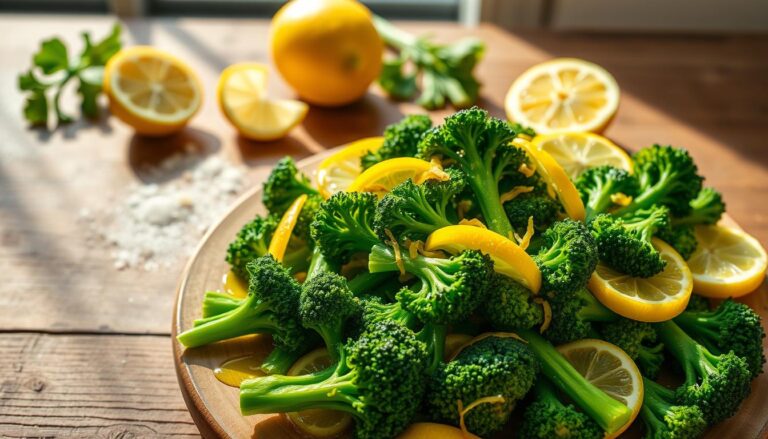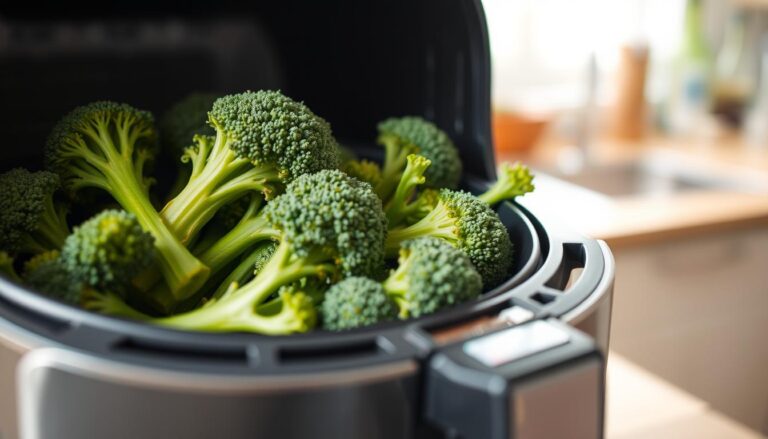
How to Prepare Broccolini: Simple Cooking Guide
Introduction: A Faster Recipe Broccolini Method
Did you know that shorter, high-heat cooking can help preserve more of broccolini’s heat-sensitive vitamin C than long, wet boiling? If you’ve been searching for a reliable recipe broccolini guide that tastes bright, crisp, and never soggy, this simple method is for you. Broccolini, sometimes called tender-stem broccoli, has tender stalks, sweet florets, and a mellow bitterness that makes it an easy side dish for busy nights, meal prep, and dinner-party plates.
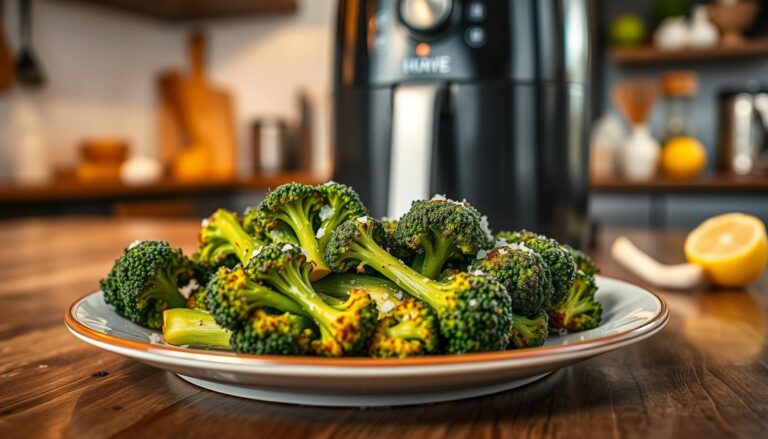
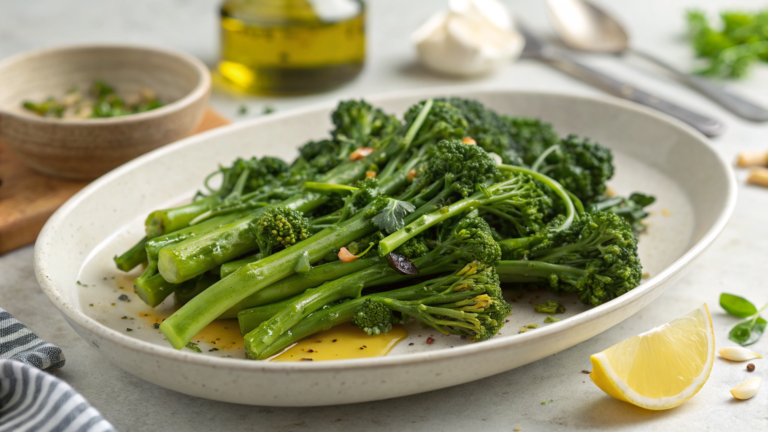
This broccolini recipe uses a quick sauté-and-steam technique built around garlic, olive oil, lemon, and a pinch of salt. The result is vibrant green stalks with tender centers, lightly caramelized edges, and a fresh finish. Whether you prefer sautéed broccolini, roasted broccolini, or a garlicky stovetop side dish, this cooking guide gives you a flexible method you can repeat with confidence.
Ingredients List for This Recipe Broccolini
Great broccolini starts with simple ingredients. Because the list is short, each ingredient matters. Fresh broccolini should smell green, feel firm, and look vivid. Avoid bunches with yellowing florets, slimy stems, or wilted leaves.
Main Ingredients
- 1 bunch broccolini, about 1 pound or 450 grams
Look for thin to medium stalks with tight florets. Thinner stems cook faster and become more tender. - 2 tablespoons extra-virgin olive oil
Olive oil adds richness and helps the broccolini brown lightly. It also carries the garlic flavor. - 2 to 3 garlic cloves, thinly sliced or grated
Thin slices give gentle golden garlic chips; grated garlic creates a stronger aroma. - ¼ teaspoon fine sea salt, plus more to taste
Salt balances bitterness and enhances the natural sweetness. - ¼ teaspoon freshly ground black pepper
Pepper adds warmth and depth. - 2 tablespoons water
A small splash creates steam, helping the stalks cook evenly without drying out. - 1 lemon, zested and juiced
Lemon brightens the entire dish and makes the green flavor pop. - Pinch of red pepper flakes, optional
Use if you enjoy a subtle spicy finish.
Optional Finishings
- 2 tablespoons grated Parmesan cheese for a savory, salty finish
- 1 teaspoon toasted sesame seeds for a nutty crunch
- Fresh herbs, such as parsley, basil, or mint, for freshness
- Chili crisp or toasted breadcrumbs for texture
Easy Ingredient Swaps
If you need to adapt the recipe, these swaps work well:
- Broccolini substitute: Use broccolini alternatives such as regular broccoli florets, asparagus, green beans, or tender-stem broccoli.
- Oil substitute: Avocado oil works for higher heat. For a lighter version, use vegetable broth or water for sautéing.
- Garlic substitute: Garlic powder can be used in a pinch, but fresh garlic gives the best flavor.
- Lemon substitute: Lime or a splash of white wine vinegar can add brightness.
- Dairy-free option: Skip Parmesan and finish with lemon zest, herbs, or nutritional yeast.
Timing for This Recipe Broccolini Cooking Guide
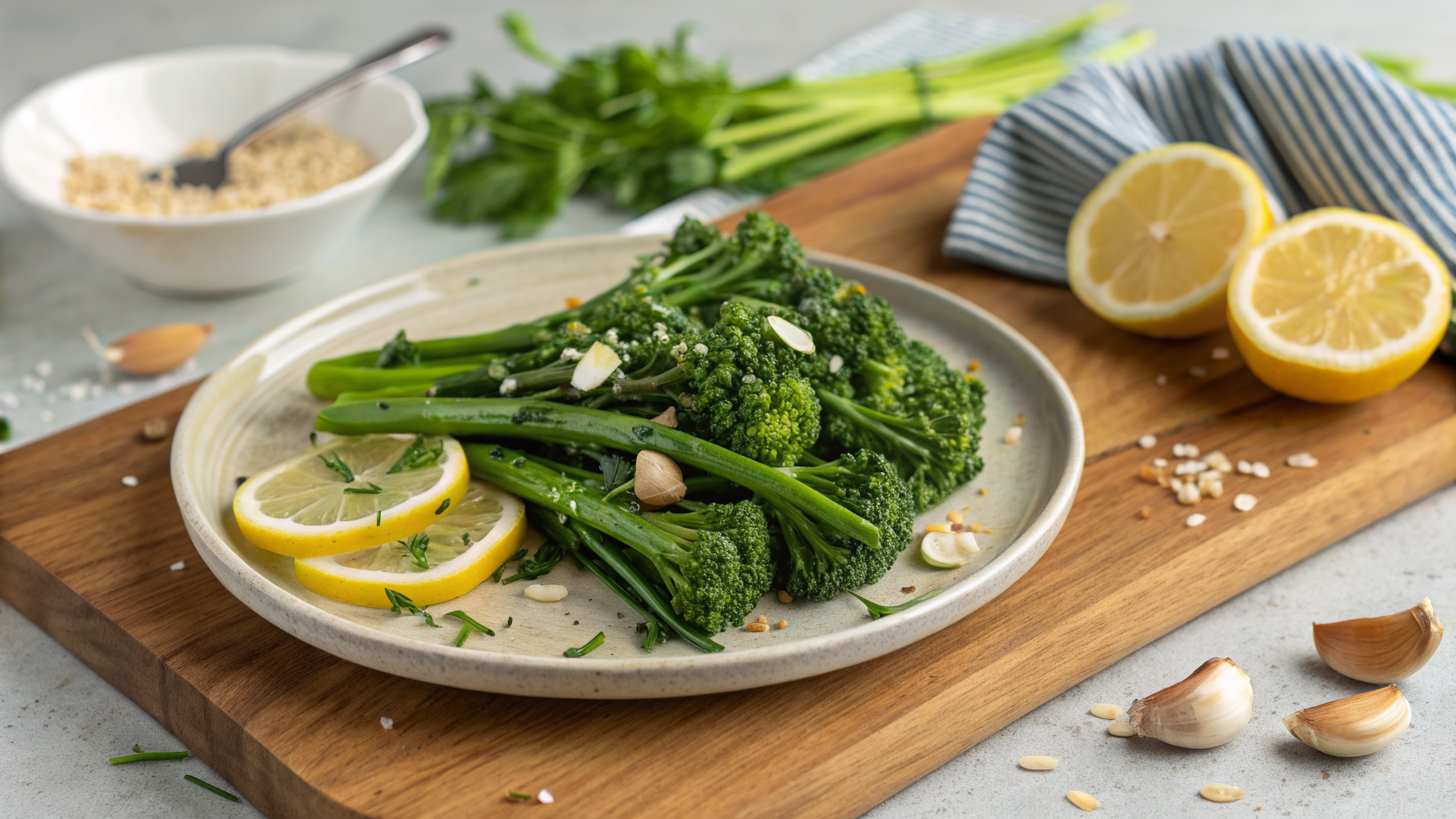
This simple broccolini recipe takes about 20 minutes total, making it faster than many roasted vegetable side dishes. It is especially useful when you want a fresh green vegetable without preheating an oven or waiting for a large pot of water to boil.
| Step | Time |
|---|---|
| Prep time | 7 minutes |
| Cook time | 10 to 12 minutes |
| Total time | 17 to 20 minutes |
Compared with a traditional roasted broccolini recipe that may take 25 to 30 minutes once oven preheating is included, this stovetop method can save roughly 20% to 30% of your total cooking time. That makes it ideal for weeknight dinners, quick lunch bowls, or last-minute meal prep.
Step-by-Step Instructions
Step 1: Trim the Broccolini for Even Cooking
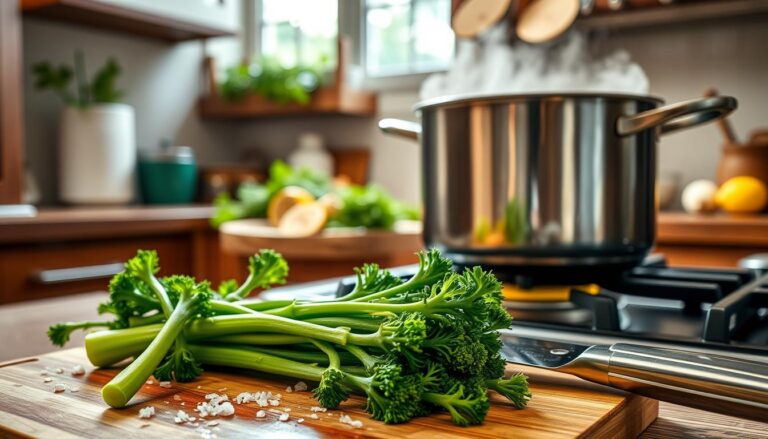
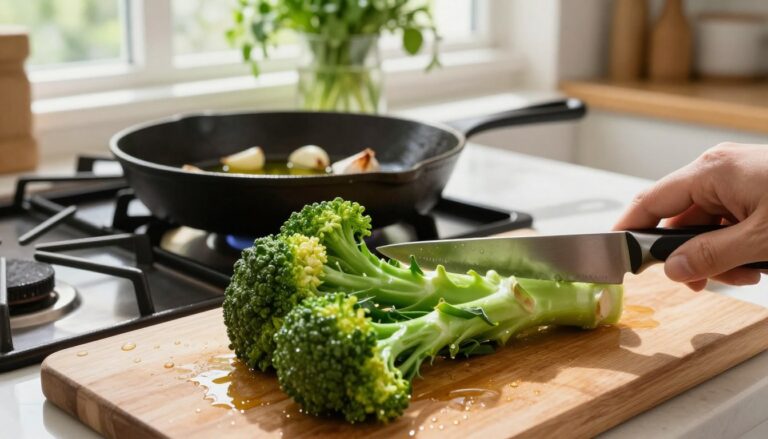
Start by washing your hands and placing the broccolini on a clean cutting board. Trim about ¼ to ½ inch from the bottom of each stem. The ends can be dry or tough, especially if the bunch has been stored for a few days.
If some stalks are very thick, you can peel the lower inch lightly with a vegetable peeler or trim away the tough outer layer. For thinner stalks, trimming alone is enough.
Tip: Try to keep the stalks similar in size so they cook at the same rate. If you have a mix of thick and thin stems, place thicker ones in the pan first.
Step 2: Wash and Dry Thoroughly
Rinse the broccolini under cool running water. Pay attention to the florets, where small bits of soil can hide. Shake off excess water, then pat dry with a clean kitchen towel or paper towel.
Drying is important because too much water in the pan can turn the sauté into a boil. If you want lightly browned, flavorful broccolini, dry stems are essential.
Tip: If you are prepping ahead, wash and dry the broccolini early, then store it in the refrigerator wrapped loosely in a towel.
Step 3: Warm the Oil and Add Garlic Carefully
Heat a large skillet over medium heat. Add the olive oil and let it warm for about 30 seconds. Add the garlic and cook gently for 30 to 60 seconds, stirring often. The garlic should become fragrant, not dark brown.
Garlic burns quickly, especially when minced. If you want a mellower flavor, use thin slices. If you want a stronger garlic profile, add grated garlic later in the cooking process so it has less time to brown.
Tip: If the garlic starts smoking, lower the heat immediately. Burnt garlic can make the entire dish taste bitter.
Step 4: Sauté, Steam, and Cover
Increase the heat slightly to medium-high. Add the broccolini to the skillet in a single layer if possible. Drizzle with olive oil if the pan seems dry. Use tongs to toss the broccolini so each stalk is lightly coated.
Cook for 2 to 3 minutes, letting the florets and stems toast gently. Then add 2 tablespoons of water to the pan and immediately cover with a lid. The steam will help the stalks become tender while preserving a bright green color.
Steam for 3 to 4 minutes. If you like broccolini with more bite, check at 3 minutes. If you prefer tender stems, give it another minute.
Tip: Do not skip the cover. A quick steam helps cook the thicker stems without overcooking the delicate florets.
Step 5: Season, Brighten, and Serve
Remove the lid and let any remaining water evaporate. Taste one stalk. It should be tender but not mushy, with a fresh green flavor.
Season with salt, black pepper, lemon zest, and lemon juice. If using red pepper flakes or Parmesan, add them now. Toss gently and serve warm.
This recipe broccolini method works because it balances three elements: gentle browning, quick steaming, and a bright finish. The lemon is not just decoration; it lifts the garlic and brings out the natural sweetness of the vegetable.
Tip: For extra flavor, finish with a small knob of butter, a drizzle of high-quality olive oil, or a sprinkle of flaky sea salt just before serving.
Nutritional Information
Broccolini is a nutrient-dense vegetable that fits well into many eating patterns, including low-carb, vegetarian, vegan, gluten-free, and Mediterranean-style meals. The exact nutrition depends on how much oil and cheese you use, but the base recipe is naturally light.
Approximate nutrition per serving, based on 4 servings and 2 tablespoons olive oil total:
| Nutrient | Approximate Amount per Serving |
|---|---|
| Calories | 95 |
| Total fat | 5 g |
| Saturated fat | 0.7 g |
| Carbohydrates | 10 g |
| Fiber | 4 g |
| Sugars | 3 g |
| Protein | 4 g |
| Sodium | 240 mg, depending on salt |
| Vitamin C | 35 mg, about 39% of daily value |
| Vitamin K | 90 mcg, about 75% of daily value |
| Potassium | 280 mg |
Broccolini provides fiber, vitamin C, vitamin K, folate, and antioxidants commonly found in cruciferous vegetables. Because this cooking method uses a short pan-steam process, it can help maintain texture and color while reducing the nutrient loss associated with long boiling.
Keep in mind that adding Parmesan, butter, or extra olive oil will increase calories and fat, while also adding flavor and richness. The best approach is to use flavorful fats intentionally rather than adding too much without tasting.
Healthier Alternatives for the Recipe
This broccolini recipe is already simple, but you can adapt it to match your health goals, dietary needs, or pantry options.
Use Less Oil
For a lighter version, use 1 tablespoon of olive oil and 1 tablespoon of water or vegetable broth to start. You can also use a nonstick skillet to reduce sticking.
Steam Instead of Sauté
If you prefer a very light side dish, steam the broccolini for 4 to 5 minutes, then toss it with lemon zest, salt, pepper, and a small amount of olive oil after cooking.
Boost Protein
Turn the dish into a more complete meal by adding:
- Grilled chicken
- Baked salmon
- Chickpeas
- White beans
- Tofu or tempeh
- Shrimp
- Sliced hard-boiled egg
Protein makes the recipe more satisfying and suitable for lunch bowls, dinner plates, or post-workout meals.
Make It Vegan or Dairy-Free
Skip the Parmesan and use one of these options:
- Nutritional yeast for a cheesy note
- Toasted almonds or pine nuts for crunch
- Lemon zest and fresh herbs for brightness
- Chili crisp for bold flavor
Lower the Sodium
Use less salt and rely on lemon, garlic, black pepper, and herbs. If you add cheese, reduce the added salt until after tasting.
Add More Vegetables
For a larger side dish or rainbow plate, combine broccolini with:
- Bell peppers
- Mushrooms
- Cherry tomatoes
- Zucchini
- Carrots
- Snap peas
This variation is helpful when feeding a family or using leftover vegetables.
Serving Suggestions
One of the reasons this recipe broccolini method works so well is its versatility. The garlic-lemon flavor goes with many cuisines and main dishes.
For a Quick Weeknight Dinner
Serve sautéed broccolini beside roasted chicken, pan-seared salmon, grilled tofu, or baked fish. Add rice, quinoa, or crusty bread for a complete meal.
For Pasta and Grain Bowls
Toss the cooked broccolini with cooked pasta, lemon pasta sauce, olive oil, garlic, and Parmesan. It also works beautifully in grain bowls with farro, brown rice, millet, or couscous.
Personalized tip: If you are meal prepping, keep the broccolini slightly separate from grains and sauces until serving. This keeps the texture fresher.
For Breakfast or Brunch
Add chopped broccolini to frittatas, omelets, scrambled eggs, or savory breakfast bowls. The mild flavor pairs well with eggs, goat cheese, and fresh herbs.
For Pizza and Flatbread
Use cooked broccolini as a pizza topping with ricotta, lemon zest, chili flakes, and mozzarella. It gives a fresh, slightly peppery contrast to rich cheese.
For Tapas and Mezze Tables
Serve broccolini at room temperature with olives, hummus, grilled bread, white beans, and marinated vegetables. It adds color and balance to a shared spread.
For Entertaining
For an elegant side dish, finish broccolini with toasted breadcrumbs, almonds, or a little grated cheese. Plate it in a shallow bowl with extra lemon zest over the top.
Common Mistakes to Avoid
Even a simple broccolini recipe can go wrong if a few details are overlooked. These are the most common mistakes and how to avoid them.
1. Not Trimming the Ends
Tough ends can make the dish unpleasant. Always trim the bottom of the stalks. If the stems are thick, peel or split the lower portion slightly.
2. Cooking at Too Low a Temperature
If the pan is too cool, the broccolini may steam in its own moisture instead of developing flavor. Start with a warm pan and use medium to medium-high heat after adding the Garlic.
3. Skipping the Drying Step
Water left on the broccolini can dilute the oil and prevent browning. Pat the vegetable dry before cooking for better texture.
4. Crowding the Pan
A crowded skillet creates steam. If you want better browning, use a large pan or cook in batches. This is especially important if you are doubling the recipe.
5. Adding Garlic Too Early
Garlic can burn quickly and become bitter. Add it after the oil is warm, stir often, and lower the heat if needed. You can also add grated garlic during the final minute.
6. Overcooking the Broccolini
Broccolini should be tender but still have a pleasant bite. Overcooked broccolini can turn dull green and soft. Start checking at the 8-minute mark.
7. Forgetting Acid
Lemon juice, lemon zest, or vinegar brings the dish to life. Without acidity, the broccolini may taste flat. Add acid at the end and taste before serving.
Storing Tips for the Recipe
Proper storage helps you enjoy broccolini without losing flavor or texture.
Storing Fresh Broccolini
If you are not cooking right away, store unwashed broccolini in an open plastic bag or produce bag in the refrigerator. It is best used within 3 to 5 days.
For longer freshness, wrap the ends in a damp paper towel and place the bunch in a loose bag. Avoid sealing it tightly, because trapped moisture can speed up spoilage.
Storing Cooked Broccolini
Let cooked broccolini cool to room temperature, but do not leave it out for more than two hours. Store it in an airtight container in the refrigerator for up to 3 days.
Reheating Without Making It Soggy
The best way to reheat cooked broccolini is quickly in a skillet over medium heat. Add a small splash of water and cover for 1 to 2 minutes. You can also microwave it briefly, but use a lower power setting to avoid overcooking.
Can You Freeze Broccolini?
You can freeze cooked broccolini, but the texture will become softer. For best results, freeze it for up to 1 month and use it in soups, pasta, frittatas, or grain bowls rather than serving it as a standalone side dish.
Make-Ahead Tip
To save time, wash, dry, and trim broccolini earlier in the day. Store it in the refrigerator until ready to cook. This makes the recipe easier to prepare during a busy dinner rush.
Conclusion
This simple broccolini recipe proves that a vegetable side dish does not need to be complicated to be memorable. With fresh broccolini, garlic, olive oil, lemon, and a smart pan-steaming method, you can create a vibrant dish in about 20 minutes. The key is to trim the stems, avoid overcooking, and finish with brightness.
Try this recipe broccolini method tonight with your favorite protein, pasta, or grain bowl. If you enjoy tender stems with a gentle garlic-lemon flavor, this dish may quickly become one of your go-to vegetable recipes. Make it, rate it, and share your favorite variation—whether you add chili crisp, Parmesan, toasted nuts, or a squeeze of extra lemon.
FAQs About Recipe Broccolini
What is broccolini?
Broccolini is a green vegetable related to broccoli, with long, slender stems and small florets. It has a milder, slightly sweeter flavor than mature broccoli and is sometimes called tender-stem broccoli.
Can you eat broccolini raw?
Yes, broccolini can be eaten raw, especially when the stems are thin and fresh. It works well in salads or as a crudité. However, cooking brings out sweetness and makes the stems more tender.
What is the best way to cook broccolini?
The best method depends on your goal. For speed and flavor, sautéing with a splash of steam is excellent. For deeper caramelization, roasting works well. For the lightest preparation, steaming is ideal.
Is broccolini the same as broccoli rabe?
No. Broccolini is milder and sweeter, while broccoli rabe, also called rapini, has a more bitter flavor and leafy texture. They are not direct substitutes unless you adjust seasonings.
Why does broccolini taste bitter?
Broccolini can taste slightly bitter if it is overmature, overcooked, or seasoned without balancing flavors. Salt, fat, and acid—such as olive oil and lemon—help reduce bitterness and improve the overall taste.
How do I know when broccolini is done?
Broccolini is done when the stems are tender but still slightly crisp and the florets are bright green. Taste one piece; it should be pleasant to bite, not crunchy, mushy, or watery.
Can I make this broccolini recipe vegan?
Yes. Use olive oil or butter-free cooking fat, skip the Parmesan, and finish with lemon juice, herbs, nutritional yeast, or toasted nuts for extra flavor.
How long does cooked broccolini last?
Cooked broccolini lasts up to 3 days in an airtight container in the refrigerator. Reheat gently to preserve the best texture.