How Long to Boil Broccolini Without Overcooking
Cooking broccolini at home can feel tricky. You want your greens tender but still crisp. The key is knowing the right timing for your pot of boiling water.
Learning how long to boil broccolini takes just a few minutes of your time. This skill makes a real difference in your kitchen results. Your vegetable dishes will taste better and look more appetizing on the dinner table.
This guide walks you through everything you need to know. You will learn the exact timing that works best. You will also discover preparation steps that prevent mushy vegetables. By the end, you will feel confident cooking this delicate green every single time.
The techniques in this article work for home cooks of all skill levels. You do not need special equipment or fancy ingredients. Just follow the steps and you will have restaurant-quality broccolini on your plate.
Understanding the Texture of Perfect Broccolini
Getting the texture right when cooking broccolini is essential to enjoying this delicious green vegetable. The difference between tender-crisp and mushy comes down to knowing what to look for before you start cooking. Your success begins at the grocery store and continues through your cooking technique. Learning to identify quality produce and understanding how blanching works will transform your broccolini dishes.
Identifying Fresh Stalks
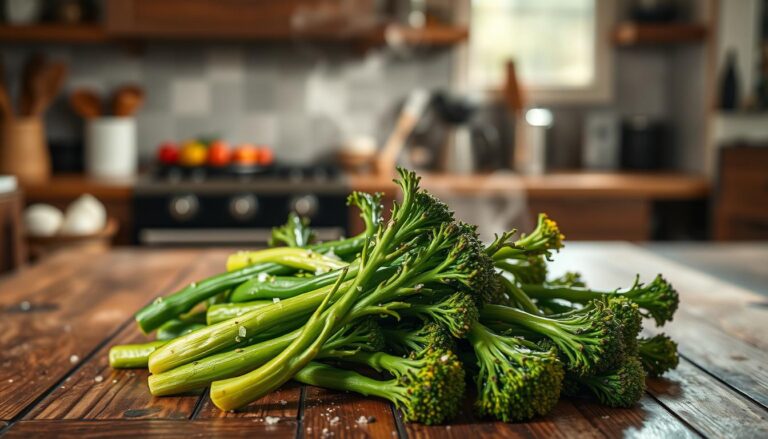
When you shop for broccolini, look for specific signs of freshness. Fresh broccolini should have firm, bright green stalks that snap when you bend them slightly. The florets at the top should be tightly closed and vibrant in color, not yellowing or loose.
Here are key things to check:
- Bright green color from top to bottom
- Firm stalks that don’t bend easily
- Tightly closed florets without any yellowing
- No soft spots or mushy areas
- Stalks that feel crisp to the touch
Older broccolini will have limp stalks and loose, open florets. These signs mean the vegetable has lost moisture and won’t cook as well.
The Importance of Blanching
Blanching is a cooking technique that stops the cooking process instantly. When you blanch broccolini, you briefly boil it, then plunge it into ice water. This method locks in the vibrant green color while keeping the vegetable crisp rather than soft.
Blanching gives you these benefits:
- Preserves the bright green color
- Stops cooking immediately when you want it to
- Keeps the stalks from becoming mushy
- Maintains a pleasant snap when you bite into it
- Removes any bitter taste from longer cooking
By mastering these visual and tactile cues, you ensure that your vegetable maintains its best texture every time you cook it.
Determining how long to boil broccolini for optimal results
Getting the right timing is the key to serving delicious broccolini at your dinner table. Unlike its larger cousin, traditional broccoli, broccolini has thin, tender stalks that cook much faster. This means you need to pay close attention to your cooking time to avoid turning your vegetable into a mushy disappointment.
When you start boiling broccolini, you should plan for a cooking duration of 2 to 3 minutes. This short window allows the stems to become tender while keeping the florets crisp and bright green. The exact time depends on the thickness of your stalks and how soft you like your vegetables.
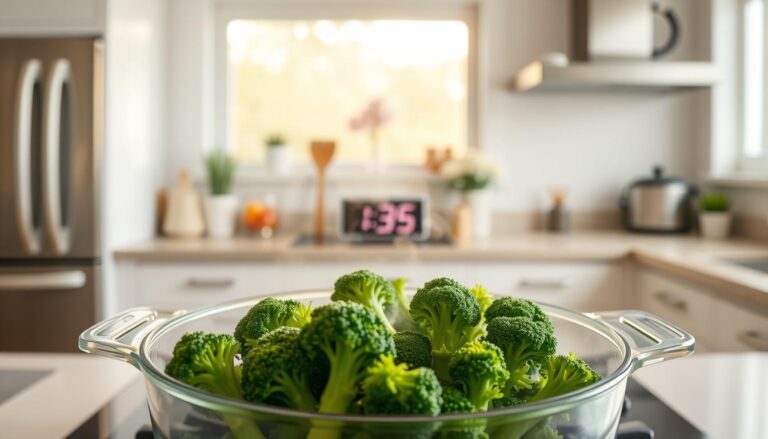
Knowing how long to boil broccolini requires you to stay present at your stove. Set a timer on your phone or kitchen clock. Watch the water as it bubbles around your greens. The florets should remain firm enough to hold their shape when you pick them up with a fork.
Here’s what you should watch for during cooking:
- The color shifts from bright to deeper green
- The stalks bend slightly when pressed
- The florets stay compact and don’t fall apart
- A fork pierces the stem with gentle pressure
The best approach is to remove one stalk early and taste it. This helps you judge whether your broccolini needs more time. Starting at 2 minutes gives you a safety margin to prevent overcooking your vegetables.
Essential Preparation Steps Before Cooking
Getting your broccolini ready for cooking is just as important as the cooking process itself. Taking time to prepare your vegetables properly makes a real difference in how they taste and cook. The right preparation ensures even cooking and helps your seasonings stick better to the stalks.
Before you even think about boiling water, you need to handle your broccolini with care. Proper prep work removes anything unwanted and sets you up for success in the kitchen.
Trimming the Woody Ends
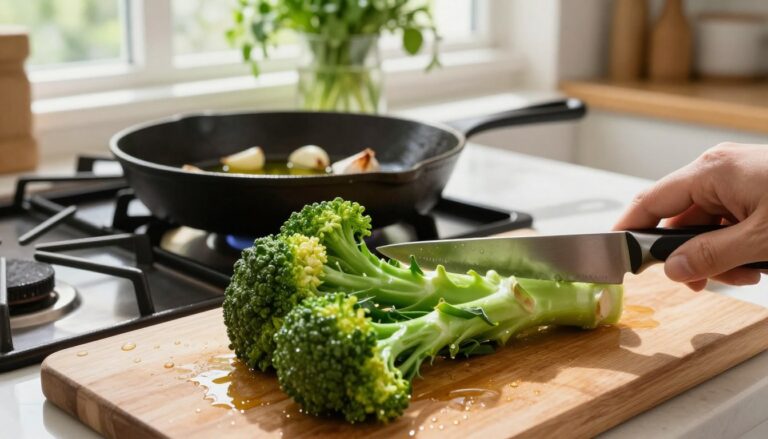
The bottom parts of your broccolini stalks are tough and not pleasant to eat. These woody ends should come off before cooking. Use a sharp knife to cut away about one to two inches from the very bottom of each stalk.
Look for where the stalk color changes or where it starts to look dry. That is your sign to trim. You can also bend a stalk gently until it snaps naturally at the point where it becomes too tough. This spot marks the perfect place to cut.
- Cut at an angle for a neat appearance
- Remove any brown or discolored spots
- Feel the stalk to find where it turns fibrous
- Keep the tender green parts for cooking
Washing and Drying Your Produce
Dirt and grit hide between the florets of broccolini. Hold each stalk under cold running water and rub gently with your fingers. Pay special attention to the florets at the top where particles like to collect.
After washing, pat your broccolini dry using paper towels or a clean kitchen cloth. Excess water prevents seasoning from sticking and can make your dish watery. Dry vegetables cook better and taste better when you add flavors.
| Preparation Step | Purpose | Time Needed |
|---|---|---|
| Trim woody ends | Remove tough, inedible portions | 2-3 minutes |
| Wash under cold water | Remove dirt and debris | 1-2 minutes |
| Pat dry completely | Help seasonings adhere properly | 1-2 minutes |
These simple steps take just minutes but improve your final dish. Clean, trimmed broccolini cooks more evenly and tastes much better than unprepared stalks.
Alternative Methods for Tender Greens
Boiling works well, but you have other cooking options that can give you different textures and flavors. Learning how to cook broccolini steamed opens up new possibilities for your meals. These alternative cooking methods help keep more vitamins and minerals in your vegetables compared to boiling them in water.
Different cooking techniques work best for different situations. You might want a quick weeknight dinner or a special side dish for guests. Your choice of cooking method can change how your broccolini tastes and feels.
Why Choose Alternative Cooking Methods
Steaming and sautéing keep more of the vegetable’s natural nutrients. Boiling releases some vitamins into the water, which you then throw away. When you learn how to cook broccolini steamed, you preserve the bright green color and fresh taste.
- Steaming keeps nutrients locked in the vegetable
- Sautéing adds rich flavors with garlic and oil
- Roasting creates a crispy texture your family enjoys
- Microwaving saves time on busy nights
Quick Comparison of Methods
| Cooking Method | Time Needed | Texture Result | Nutrient Retention |
|---|---|---|---|
| Steaming | 4-6 minutes | Tender and crisp | High |
| Sautéing | 5-7 minutes | Soft with slight char | High |
| Roasting | 12-15 minutes | Crispy edges | High |
| Boiling | 3-5 minutes | Very soft | Low |
Your preference matters most when cooking. Try these methods and see which one your family loves best. Each technique brings out different qualities in your broccolini and fits different meal plans.
How to steam broccolini for a crisp finish
Steaming offers one of the gentlest cooking methods for your vegetables. Unlike boiling, which submerges your broccolini in water, steaming uses indirect heat from steam to soften the stalks while keeping the florets intact. This approach helps you preserve the bright green color and nutritional value of your greens. When you learn how to cook broccolini steamed, you gain a technique that locks in flavor and texture.
The beauty of steamed broccolini lies in its simplicity. You can achieve restaurant-quality results right in your own kitchen with minimal effort. This method works especially well if you want to maintain the structural integrity of each floret while ensuring the stalks reach the perfect tenderness.
Using a Steamer Basket
Start by filling a pot with water to just below the steamer basket level. Bring the water to a rolling boil before adding your prepared broccolini. Place your florets in the basket with the stems pointing downward. This positioning ensures even heat distribution across all parts of your vegetable.
Understanding how long to steam broccolini requires paying attention to your specific pieces. Most broccolini reaches ideal tenderness in about 4 to 5 minutes. Thicker stalks may need an extra minute, while thinner pieces cook faster.
Checking for Tenderness
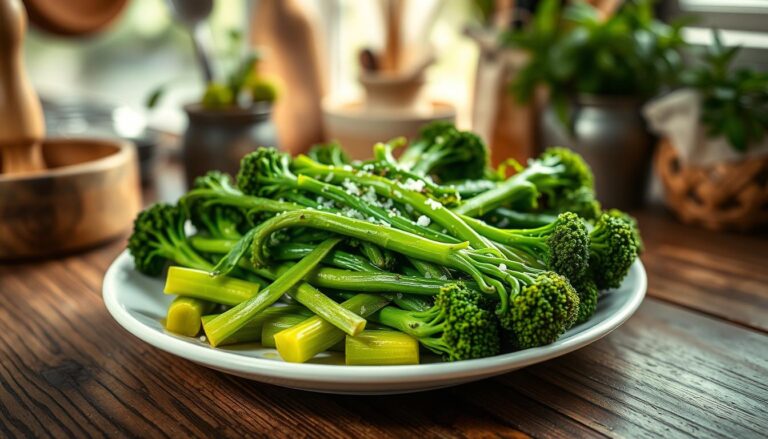
The best way to check doneness is by piercing a stalk with a fork. Your vegetable should bend slightly but still hold its shape. Perfectly cooked steamed broccolini has a slight crispness to the florets and tender stalks underneath.
- Insert a fork into the thickest part of a stalk
- The stalk should pierce easily but resist slightly
- Florets should remain bright green and firm
- Remove from heat immediately when ready
Transfer your finished broccolini to a serving dish right away. This stops the cooking process and prevents mushiness. Your perfectly steamed broccolini is now ready for your favorite seasonings and toppings.
Quick Tips for Using Broccolini in Microwave
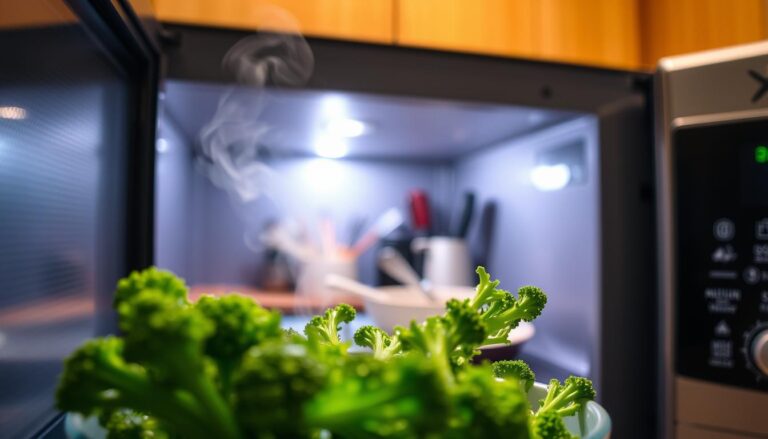
When you need a fast and nutritious side dish, cooking broccolini in microwave offers an excellent solution. This method saves time without sacrificing quality or taste. You can prepare tender, delicious broccolini in just a few minutes with minimal effort.
The microwave approach works because steam cooks your vegetables evenly and quickly. This gentle cooking method preserves more nutrients compared to boiling for extended periods. Your broccolini stays vibrant and maintains its natural flavor.
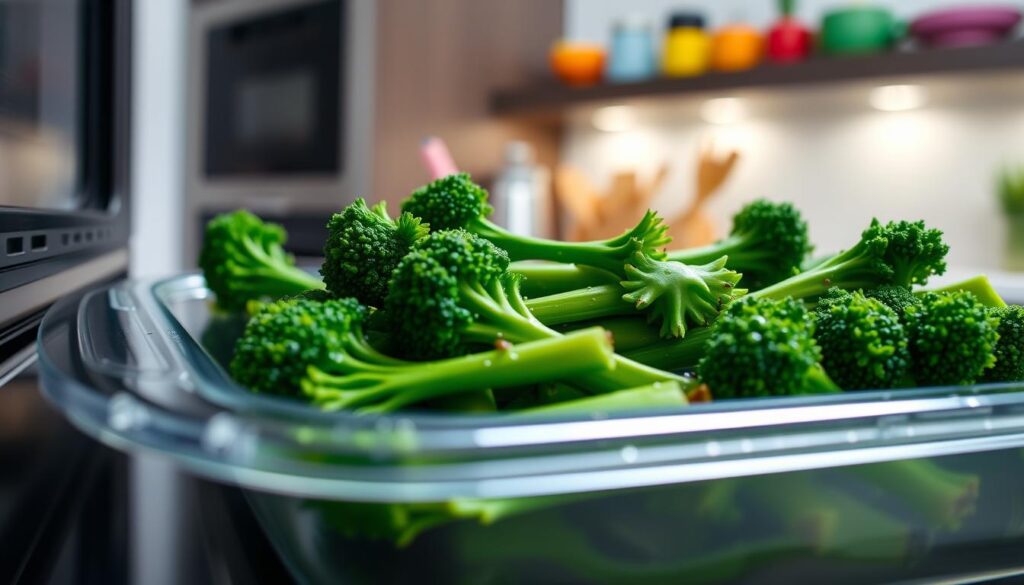
- Place trimmed broccolini in a microwave-safe dish
- Add 2 to 3 tablespoons of water to the bottom
- Cover the container loosely with a microwave-safe lid or damp paper towel
- Cook on high power for 3 minutes
- Check tenderness with a fork before serving
The loose cover traps steam effectively while allowing excess moisture to escape. This prevents your broccolini from becoming soggy or overcooked. Water creates the steam needed for even cooking throughout the stalks.
Timing matters when using this cooking method. Three minutes works for most batches, yet thicker stalks may need an additional 30 to 60 seconds. Start checking at the 3-minute mark to ensure you achieve the perfect tender texture.
Broccolini in microwave cooking suits busy weeknights when you want healthy vegetables fast. This technique beats takeout options and delivers restaurant-quality results at home. Your family gets nutritious greens without spending time at the stove.
Seasoning and Serving Your Vegetable Dish
Your steamed broccolini deserves simple, bright flavors that let its natural taste shine. The key is choosing seasonings that enhance rather than overpower the vegetable. Fresh ingredients work best when you serve your dish right away, keeping the texture crisp and the color vibrant.
Adding Lemon and Garlic
Lemon and garlic create the perfect pairing for steamed broccolini. The bright acidity of fresh lemon juice cuts through the earthy flavor of the vegetable beautifully. Minced garlic adds depth and warmth to your dish.
Try this simple approach:
- Drizzle your steamed broccolini with extra virgin olive oil
- Squeeze fresh lemon juice over the top
- Sprinkle minced raw garlic or roasted garlic
- Add sea salt and black pepper to taste
This combination works well because the acidity balances the vegetable’s natural sweetness. You can prepare these seasonings while your broccolini finishes cooking.
Pairing with Main Courses
Seasoned steamed broccolini pairs wonderfully with many proteins. Grilled salmon brings out the lemon notes in your vegetable. Roasted chicken complements the garlic flavor perfectly. Even simple pasta dishes benefit from this versatile side.
Serve your prepared broccolini immediately after seasoning. This timing keeps every bite tender and colorful for your guests or family.
Common Mistakes to Avoid During the Boiling Process
When you cook broccolini, timing is everything. Understanding how long to boil broccolini helps you achieve that perfect tender-crisp texture your family will love. Many home cooks make simple errors that turn this nutritious green vegetable into something mushy and unappetizing.
The most frequent mistake is leaving your broccolini in boiling water for too long. Even a few extra minutes can destroy the vegetable’s bright color and firm texture. You need to stay focused and keep track of time carefully while your broccolini cooks.
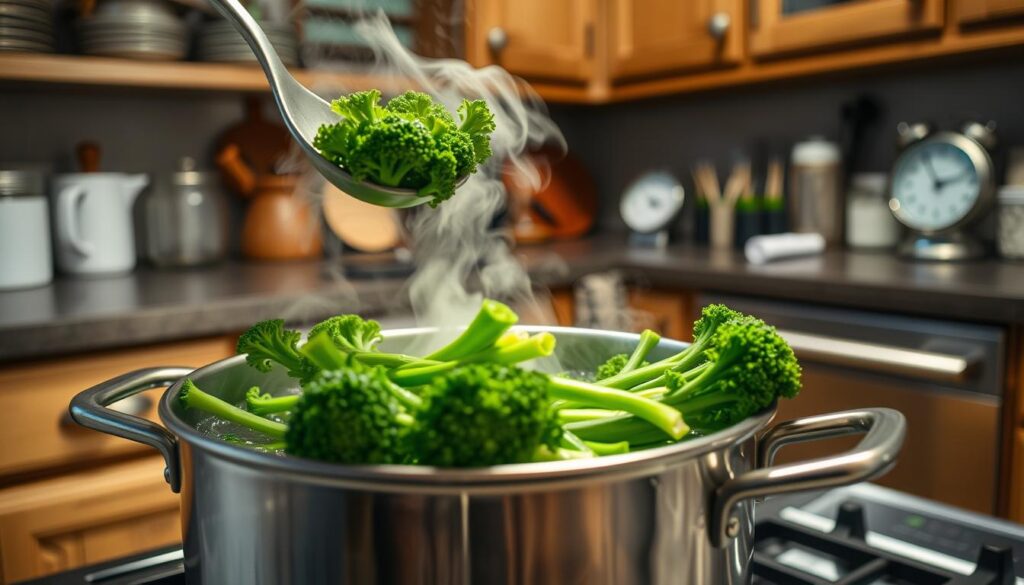
Overcrowding your pot presents another major problem. When you pack too much broccolini into one pot, the water temperature drops significantly. This uneven heat distribution means some stalks cook faster than others, leaving you with inconsistent results across your entire batch.
Key Mistakes to Eliminate
- Boiling for extended periods without monitoring the clock
- Stuffing too many vegetables into a single pot
- Skipping the ice bath after cooking
- Starting with cold water instead of boiling water
- Forgetting to remove woody stems beforehand
The Ice Bath Solution
After you remove your broccolini from the heat, place it immediately into a bowl filled with ice water. This shocking process stops the cooking instantly and locks in that vibrant green color. Your vegetables will maintain their crisp texture and fresh appearance.
| Cooking Method | Ideal Time | Common Error |
|---|---|---|
| Boiling | 3-4 minutes | Leaving in water too long |
| Steaming | 4-5 minutes | Overcrowding the basket |
| Microwaving | 2-3 minutes | Not adding water |
Knowing how long to boil broccolini combined with proper cooling techniques prevents disappointment. Your broccolini will come out perfect every time when you avoid these common pitfalls.
Conclusion
Mastering the preparation of broccolini opens up a world of nutritious and delicious side dishes that require minimal effort. The cooking methods you choose depend on your schedule and kitchen tools. You can boil, steam, or use the microwave to get the results you want. The real secret lies in watching your timing closely. This keeps your broccolini at that perfect crisp-tender texture every single time.
Your cooking journey with this green vegetable becomes easier once you understand the basics. Knowing how long to steam broccolini helps you achieve the right doneness without turning it mushy or too hard. Fresh, tender stalks make a big difference in your final dish. Trimming woody ends and washing your produce properly set you up for success before you even turn on the heat.
Using broccolini in microwave cooking offers quick results when you are short on time. This method saves you both cooking time and cleanup effort. Pairing your perfectly cooked broccolini with lemon, garlic, or your favorite seasonings brings out its natural flavors. Avoid the common mistakes like leaving it on heat too long or skipping the prep work.
Your home cooking routine will reach new heights with these tips and techniques. Whether you pick boiling, steaming, or microwave methods, you now have the knowledge to serve restaurant-quality broccolini at your dinner table. Start using these methods today and watch your family enjoy this nutritious green vegetable more than ever before.
FAQ
How long should I boil broccolini to avoid overcooking?
You should aim for a boiling duration of 2 to 3 minutes to ensure the stems are tender while the florets remain intact. The thin stalks of broccolini cook significantly faster than traditional broccoli, so monitoring the pot closely during this short window is the most effective way to prevent overcooking your vegetables. After the time is complete, immediately transfer your broccolini to an ice bath to shock the greens and halt the cooking process.
What does perfectly cooked broccolini look like?
Perfectly cooked broccolini should maintain a vibrant green color with a pleasant snap when you bite into it. The stalks should be tender but not mushy, and the florets should remain tightly intact rather than falling apart. Selecting fresh broccolini with firm, bright green stalks and tightly closed florets before cooking is vital, as this ensures your final dish will have the best possible texture and appearance.
How do I prepare broccolini before cooking?
Proper preparation begins with removing the tough, woody ends that can detract from the overall eating experience. You should wash the stalks thoroughly under cold running water to remove any grit or debris trapped in the florets. Once cleaned, patting the produce dry ensures that your seasoning adheres properly during the final stages of preparation and cooking.
How long does it take to steam broccolini?
You should place the vegetable in a steamer basket over boiling water for approximately 4 to 5 minutes to reach the ideal consistency when preparing steamed broccolini. Steaming is an excellent method because it uses indirect heat to soften the stalks gently while maintaining the structural integrity of the florets. This approach is widely considered the best way to cook broccolini steamed if you prioritize nutrient retention and texture quality.
What is the best way to cook broccolini in a microwave?
Preparing broccolini in microwave is a convenient solution when you are short on time. By adding 2 to 3 tablespoons of water to a microwave-safe dish, you create enough steam to cook the vegetable evenly in just 3 minutes. Always cover the container loosely to trap the heat and ensure the stalks reach a tender, palatable state without becoming overcooked or dried out.
What are the main differences between boiling and steaming broccolini?
Boiling involves submerging broccolini directly in hot water for 2 to 3 minutes, which is faster but requires careful monitoring to prevent overcooking. Steaming, on the other hand, uses indirect heat over 4 to 5 minutes and is gentler on the vegetable, often retaining more of the vegetable’s natural vitamins and minerals. Both methods are valid approaches to how long to steam broccolini versus how long to boil broccolini, depending on your preference and available time.
How should I season and serve cooked broccolini?
Once your steamed broccolini is cooked to perfection, a simple dressing of olive oil, fresh lemon juice, and minced garlic elevates the flavor profile beautifully. These bright, acidic notes complement the earthy taste of the vegetable, making it a versatile side for proteins like grilled salmon or roasted chicken. Serving the dish immediately ensures that the texture remains crisp and the colors stay vibrant.
What common mistakes should I avoid when boiling broccolini?
One of the most frequent errors is leaving the vegetable in the boiling water for too long, which results in a mushy, unappealing texture. You must also avoid overcrowding the pot, as this causes the water temperature to drop and leads to uneven cooking across the stalks. By using an ice bath to shock the greens immediately after cooking and closely monitoring your timing, you can easily avoid these common culinary pitfalls.
Why is blanching an important technique for cooking broccolini?
Blanching serves as a foundational culinary technique that locks in the vibrant color and stops the cooking process immediately when you transfer the vegetable to an ice bath. By mastering these visual and tactile cues through proper blanching, you ensure that your vegetable maintains a pleasant snap rather than becoming mushy. This technique is essential whether you’re learning how long to boil broccolini or exploring how to steam broccolini.
How do I know when to stop cooking broccolini?
You should check for tenderness by piercing the thickest part of the stalk with a fork or knife—it should slide through with gentle pressure but still offer slight resistance. The florets should remain bright green and intact, not drooping or falling apart. With boiling, you have a narrow window of 2 to 3 minutes, and with steaming, approximately 4 to 5 minutes, so using a timer and staying attentive is crucial for achieving the perfect result.