How Long to Steam Broccolini? Exact Timing for Tender Results
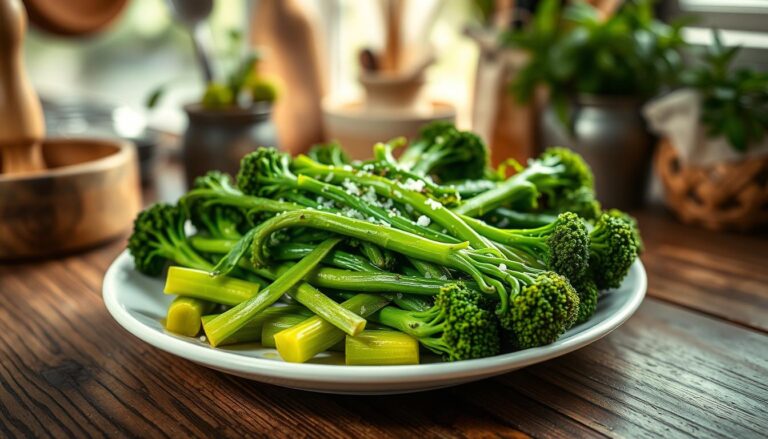
Steaming broccolini is one of the simplest ways to prepare this tender green vegetable. When you learn how long to steam broccolini, you gain control over texture and taste. This hybrid vegetable sits between regular broccoli and Chinese broccoli, offering a delicate flavor that pairs well with many dishes.
Broccolini contains only about 35 calories per 100-gram serving, making it an excellent choice for your healthy meals. The key to perfect results is understanding the exact timing needed for your cooking method. Whether you prefer steaming, boiling, or microwaving, each technique requires different attention spans.
This guide walks you through professional techniques that will help you master how long to steam broccolini every single time. You will discover the equipment you need and the tricks that keep your vegetables crisp and flavorful. By the end, you will feel confident preparing this nutritious side dish for your family.
Key Takeaways
- Steam broccolini for 4 to 5 minutes for crisp-tender results
- Thicker stalks require 1 to 2 extra minutes of cooking time
- Boiling takes 3 to 4 minutes in salted water
- Microwave cooking needs 2 to 3 minutes with a little water
- Pat your broccolini dry before cooking to prevent excess moisture
- Use a steamer basket or pot with a fitted steaming tray for best results
- Test stalks with a fork to check for your preferred tenderness level
Understanding the Benefits of Broccolini
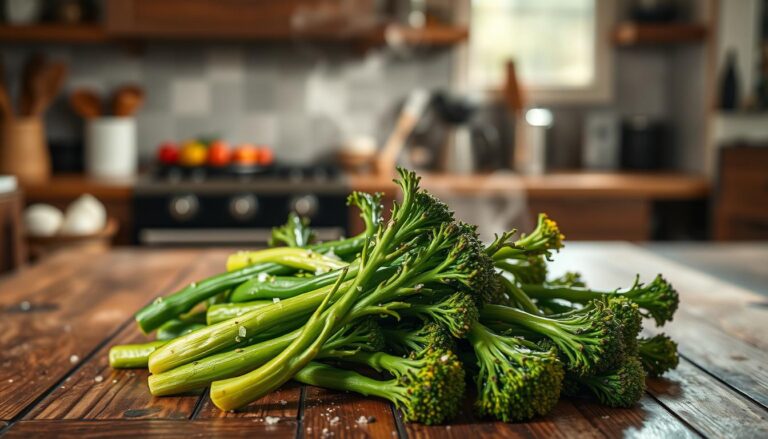
Broccolini stands out as a unique vegetable that deserves your attention. This is a hybrid created from broccoli and Chinese kale, giving it a completely different taste and texture than what you might expect from regular broccoli. When you choose broccolini as a healthy side dish, you get a sweeter, more delicate flavor that appeals to many palates. The tender stalks and small florets make it easier to eat and more enjoyable at your dinner table.
Why Choose Broccolini Over Standard Broccoli
You might wonder what makes broccolini different from the broccoli you buy at your local grocery store. The key difference lies in the plant itself. Broccolini produces longer, more slender stalks with smaller flower heads. This design means you can eat nearly the entire vegetable, unlike standard broccoli where you often discard tough stalks.
The taste profile is another major advantage. Broccolini offers a milder, slightly sweet flavor that feels less bitter than traditional broccoli. Your family members who usually avoid cruciferous vegetables might enjoy broccolini much more.
- Sweeter taste compared to regular broccoli
- Edible stalks that are tender throughout
- Less bitter aftertaste
- More visually appealing presentation
Health Advantages of Steaming
When you steam broccolini, you preserve its nutritional powerhouse. Steaming keeps up to 90 percent of water-soluble vitamins intact, which is far better than boiling. Vitamins A and C stay in your vegetables where they belong—not in the cooking water.
| Cooking Method | Vitamin Retention Rate | Best Use |
|---|---|---|
| Steaming | 90% | Maximum nutrient preservation |
| Boiling | 50-60% | Lower nutrient retention |
| Roasting | 75-80% | Good flavor enhancement |
Your body needs vitamins A and C for strong immunity and healthy skin. Steaming broccolini ensures you get maximum nutritional benefit from every bite.
Preparing Your Fresh Produce
Getting your fresh produce ready is the foundation for perfect results when you steam vegetables. Taking time to prepare broccolini correctly makes a real difference in how it tastes and feels when you eat it. Your effort now saves time later and ensures every bite tastes great.
Start by rinsing your broccolini under cold running water. Use your fingers to gently rub the florets to remove any dirt or debris caught between the tiny buds. Pay special attention to the crown area where soil tends to hide. This simple step keeps your dish clean and safe to eat.
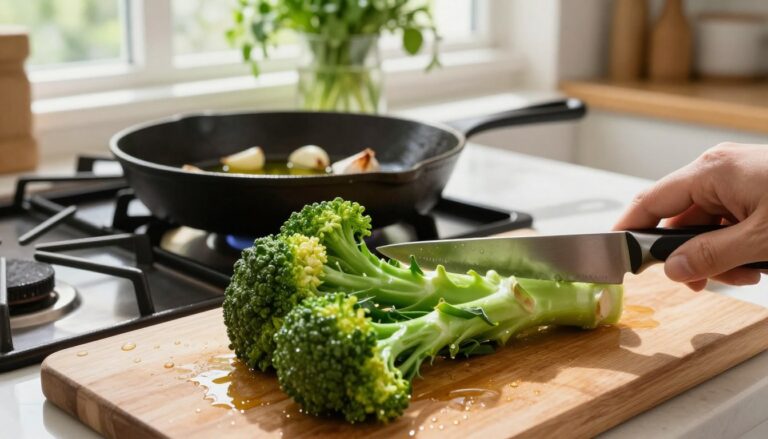
Next, trim the woody ends from the stalks. Cut about one-half to one inch from the bottom of each stalk using a sharp knife. These tough, fibrous parts do not soften during cooking. Removing them ensures that every part of your broccolini becomes tender and enjoyable.
For larger stalks, you may want to cut them in half lengthwise. This creates more even pieces so everything cooks at the same speed. Uniform sizing prevents some pieces from becoming mushy while others stay too firm.
Quick Prep Checklist
- Rinse under cold water
- Gently rub florets to remove soil
- Trim woody stalk ends
- Cut large stalks lengthwise if needed
- Pat dry with paper towels
- Arrange pieces in a single layer
Drying your broccolini with paper towels helps water drain away during steaming. Excess moisture can make your vegetables soggy and dilute the flavor. Arrange your prepared pieces in a single layer before cooking to allow steam to circulate evenly around each piece.
Determining How Long to Steam Broccolini
Getting the timing right is crucial when cooking broccolini. The difference between perfectly cooked and mushy vegetables comes down to knowing exactly how long to steam broccolini. Most home cooks worry about overcooking their greens, but with the right steaming time, you can achieve vibrant, tender broccolini every single time.
The key to success is understanding that steaming time affects both the color and texture of your vegetable. You want to reach that sweet spot where the stalks are soft enough to eat easily, yet still maintain their natural crunch and bright green appearance.
Ideal Timing for Crisp Tenderness
For standard-sized broccolini florets, a steaming time of 3 to 5 minutes delivers the best results. During this window, your vegetables will develop a vibrant green color while staying crisp on the outside and tender on the inside. Start checking at the 3-minute mark by piercing a stalk with a fork. If it slides through easily, your tender broccolini is ready to serve.
The 4-minute mark often provides the perfect balance for most cooking broccolini situations. At this point, the florets reach ideal tenderness without becoming soft or losing their nutritional value.
Adjusting for Stalk Thickness
Not all broccolini pieces are created equal. Thicker stalks require extra time to cook through properly. If you’re working with particularly chunky pieces, add 1 to 2 extra minutes to your steaming time. This ensures the stems become fully tender while the florets remain perfectly cooked.
| Stalk Size | Steaming Time | Texture Result |
|---|---|---|
| Thin (¼ inch diameter) | 2 to 3 minutes | Very crisp, tender florets |
| Medium (½ inch diameter) | 3 to 5 minutes | Balanced crisp-tender |
| Thick (¾ inch diameter) | 5 to 7 minutes | Fully tender stems |
Cut your broccolini into similar sizes before steaming. Uniform pieces cook at the same rate, preventing some from becoming mushy while others stay too firm.
- Use a fork to test doneness at the minimum time
- Remove vegetables immediately once they reach your desired texture
- Don’t leave steaming broccolini unattended
- Keep the lid on your steamer basket during cooking
Essential Equipment for the Best Results
Getting the right kitchen equipment makes steaming broccolini easier and more reliable. When you use proper tools, your vegetables cook evenly and come out with the perfect texture every time. The quality of your equipment directly affects how well your broccolini turns out.
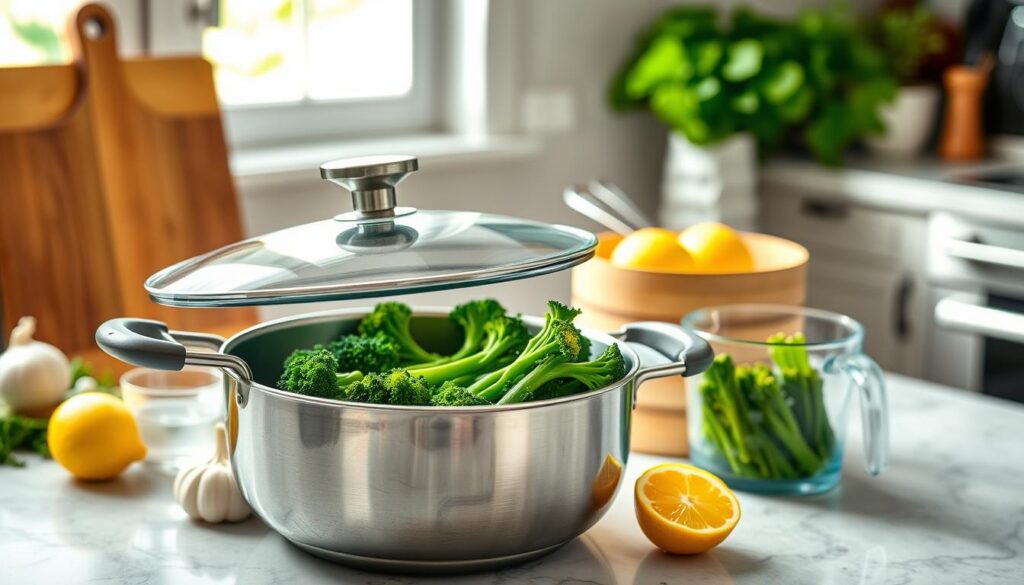
A stainless steel steamer basket is your best choice for this job. This basket fits securely inside your cooking pot and keeps the vegetables elevated above the boiling water. The basket design allows steam to circulate freely around each piece of broccolini, ensuring uniform cooking from all sides.
Your pot itself matters just as much as the steamer basket. You need a pot with a tight-fitting lid to trap the steam effectively. A good seal prevents heat from escaping, which keeps the temperature steady throughout the cooking process.
Key Equipment You Will Need
- Stainless steel steamer basket with secure handles
- Pot with a diameter that matches your basket size
- Fitted lid that seals properly
- Kitchen thermometer to check water level
- Tongs or cooking fork for safe handling
“Investing in quality steaming equipment pays off with better results and less frustration in the kitchen.”
Look for steamer baskets made from durable stainless steel rather than aluminum. They last longer and handle heat better. The handles should be heat-resistant so you can safely remove the basket without burns.
Your pot’s lid is critical for success. Check that it closes completely with no gaps. Even small openings allow steam to escape, which extends cooking time and creates uneven results.
Seasoning Your Steamed Vegetables
Once your broccolini finishes cooking, the right flavors can turn a simple side dish into something special. Good seasoning tips make all the difference between bland and delicious. The key is using quality ingredients that let the natural taste of your vegetables shine through.
Your steam vegetables deserve attention when it comes to finishing touches. Start with a light drizzle of extra virgin olive oil. This adds richness without overpowering the delicate green flavor. Sprinkle on some flaky sea salt to enhance the vegetable’s natural sweetness and bring out its best qualities.
Enhancing Flavor with Citrus and Herbs
Citrus brightens up steamed broccolini in wonderful ways. A squeeze of fresh lemon juice adds a tangy pop that makes the flavor more interesting. You can also try lime for a different taste.
Fresh herbs work beautifully with your vegetables. Consider these options:
- Fresh garlic minced or toasted for warmth
- Dried oregano for Mediterranean flair
- Fresh thyme for earthy notes
- Red pepper flakes for gentle heat
- Fresh parsley for a clean finish
Using Quality Olive Oil and Sea Salt
The grade of your olive oil matters more than you might think. Extra virgin olive oil has deeper flavor than regular versions. A small amount goes a long way, so use it sparingly to avoid making your dish too heavy.
| Seasoning Ingredient | Amount Per Serving | Flavor Impact |
|---|---|---|
| Extra Virgin Olive Oil | 1 teaspoon | Rich, fruity |
| Flaky Sea Salt | Pinch to 1/4 teaspoon | Enhances natural sweetness |
| Fresh Lemon Juice | 1/2 teaspoon | Bright, tangy |
| Minced Garlic | 1/2 teaspoon | Savory, aromatic |
| Fresh Thyme | Pinch | Earthy, sophisticated |
Sea salt brings out flavors better than regular table salt. The larger flakes let you control how much you use. This gives you the power to season exactly how you like it.
Achieving the Perfect Texture
Getting perfectly steamed broccolini comes down to watching for specific visual and physical signs. Your vegetables should reach that ideal state where they taste delicious and look vibrant on your plate. The final minute of cooking is when you need to pay close attention to what’s happening in your steamer basket.
The best way to judge doneness is by checking both the color and how the stalks feel. Look for these key indicators:
- Bright green florets that glow with fresh color
- Stalks that bend slightly but don’t snap
- Slight resistance when you pierce with a fork
- No brown or yellowed spots on the florets
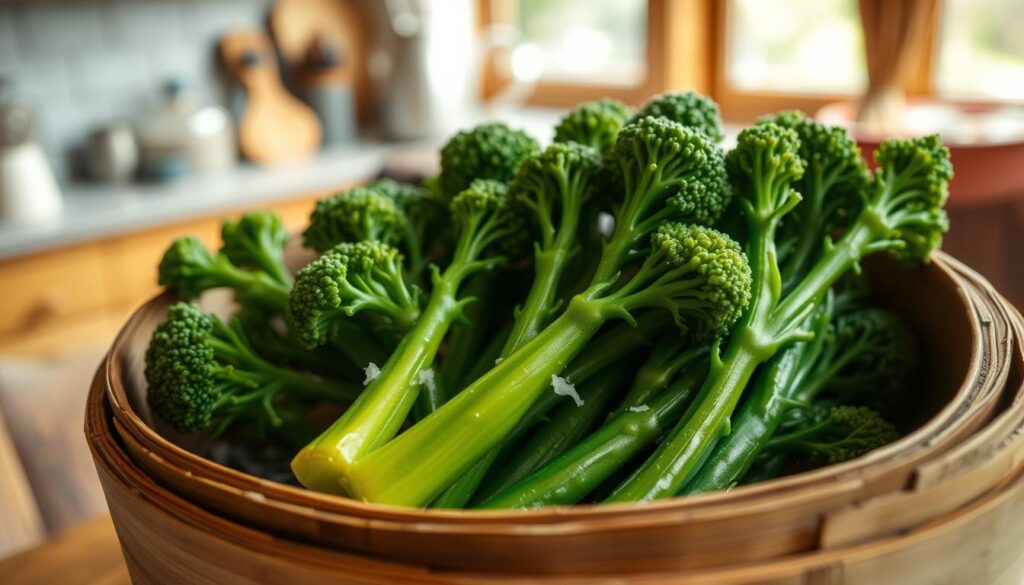
When you test tender broccolini with a fork, the stem should have just a little give. Push gently on the thickest part of the stalk. If it feels soft and mushy, you’ve cooked it too long. If it feels hard and crunchy, give it another 30 seconds in the steam.
The balance between crispy florets and soft stalks is what makes your dish special. You want your vegetables to hold their shape when plated. A perfectly steamed batch stays firm enough to be picked up with tongs without falling apart.
This texture balance is why timing matters so much. Different stalk thicknesses require slightly different cooking times, so checking your vegetables near the end helps you catch them at exactly the right moment.
Troubleshooting Common Steaming Mistakes
When cooking broccolini, mistakes during the steaming process can turn your healthy side dish into a mushy disappointment. Learning to identify and fix these common errors helps you achieve perfect results every time. The most frequent problems involve overcooked stalks and uneven texture throughout your vegetables.
Avoiding Overcooked and Mushy Stalks
One of the biggest mistakes happens when you leave the lid on your steamer basket for too long. Excessive heat and steam soften the stalks beyond the ideal tender-crisp stage. Your broccolini becomes limp and loses its appealing texture.
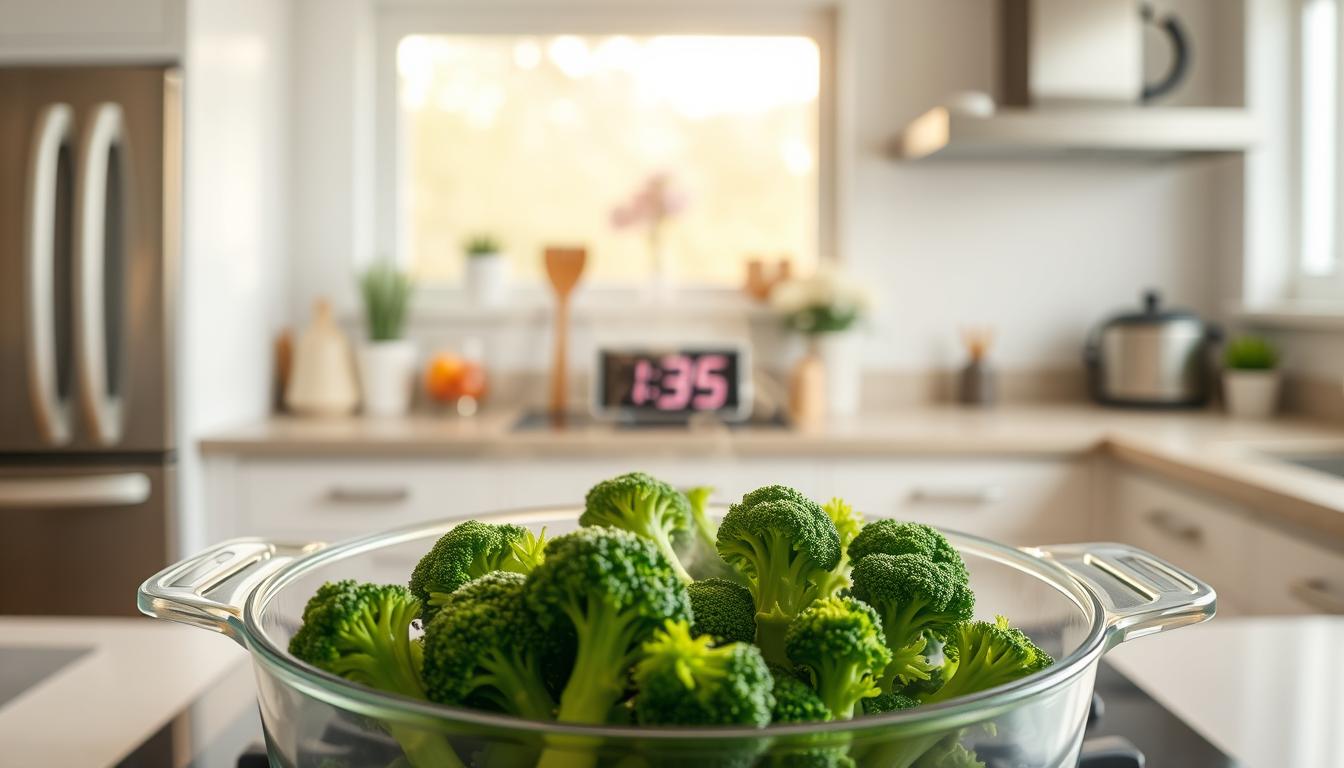
To prevent mushy stalks, watch your steaming time closely. Most broccolini needs just 4-6 minutes of steam exposure. Set a timer on your phone or kitchen clock. Remove the lid at the first sign of doneness. The stalks should bend slightly without falling apart.
- Check doneness at the 3-minute mark
- Pierce thick stalks with a fork to test tenderness
- Remove vegetables immediately when they reach your preferred texture
- Use a slotted spoon to lift pieces out quickly
Preventing Uneven Cooking
Uneven cooking occurs when you pile your broccolini in thick layers inside the steamer basket. Pieces on top cook faster than those underneath, creating inconsistent results.
Arrange your stalks in a single, flat layer. Space them apart so steam circulates around each piece equally. If your basket is small, steam in batches rather than overcrowding. This simple arrangement ensures every stalk receives the same amount of heat.
| Common Mistake | What Happens | Solution |
|---|---|---|
| Piled high in basket | Uneven cooking and texture | Arrange in single layer with space between pieces |
| Lid left on too long | Mushy, overcooked stalks | Monitor steaming time and remove at 4-6 minutes |
| Mixed stalk sizes | Thick pieces stay firm while thin ones soften | Sort by size or cut thick stalks lengthwise |
| No water in steamer | No steam production or burning | Fill with 1-2 inches of water before heating |
“Timing is everything in steaming. Your attention during those critical minutes makes the difference between perfect vegetables and disappointing mush.”
By understanding these common problems, you gain confidence in your cooking technique. Practice makes perfect with steaming vegetables at home.
Serving Suggestions for Your Meal
Steamed broccolini works beautifully as a versatile side dish for many meals. You can enjoy it warm right after cooking or let it cool and add it to other dishes. Your dinner plate becomes more interesting and nutritious when you pair this green vegetable with your favorite proteins and carbohydrates.
Think about pairing your steamed broccolini with grilled salmon for a restaurant-quality dinner at home. The mild, tender flavor of broccolini complements the rich taste of fish perfectly. You can serve it the same way with roasted chicken or turkey for a lighter meal option that feels special without much effort.
Your pasta dishes gain extra texture and nutrition when you toss in steamed broccolini. Mix it into creamy sauces or light olive oil-based pastas for a complete meal. This approach works great when you want to add more vegetables without changing your favorite recipes.
Elevate your presentation by topping steamed broccolini with these finishing touches:
- Shaved Parmesan cheese for a salty, umami boost
- Toasted pine nuts for a crunchy texture
- Fresh garlic and red pepper flakes for warmth
- Lemon zest for bright, citrusy notes
You can serve broccolini as a standalone side dish at lunch or dinner. Its simple elegance works well on any plate, from casual weeknight meals to special occasions.
Storing Leftover Steamed Greens
After enjoying your perfectly steamed broccolini, you might have extra portions left on your plate. Learning how to store leftovers correctly keeps your vegetables fresh and safe to eat for days. Proper storage methods protect the nutrients and texture you worked hard to achieve during cooking.
Proper Refrigeration Techniques
The key to maintaining your steamed broccolini starts with cooling. Allow the vegetables to reach room temperature before placing them in storage. This prevents condensation from building up inside your container, which can make the stalks soggy and unappetizing.
Use an airtight container to store your leftover steamed greens. Glass containers work best because they do not absorb odors and keep your vegetables fresher longer. Fill the container with your cooled broccolini and seal it tightly. Your refrigerator will keep these vegetables safe to eat for up to three days.
- Cool vegetables completely before storage
- Choose glass airtight containers
- Store at 40°F or below
- Use within three days
Reheating Without Losing Texture
When you want to enjoy your leftover steamed greens, skip the microwave. This appliance often turns vegetables mushy and ruins the tender-crisp texture you love. Instead, use a hot skillet with a small amount of water or olive oil. Heat your broccolini for just two to three minutes, stirring gently to warm it evenly.
Another excellent option involves a quick steam. Place your cold vegetables back in your steamer basket for about one minute. This brief flash of heat restores their texture without overcooking them.
| Reheating Method | Time Required | Texture Result | Best For |
|---|---|---|---|
| Hot Skillet | 2-3 minutes | Tender-crisp | Side dishes |
| Quick Steam | 1 minute | Perfectly tender | Quick meals |
| Microwave | 1-2 minutes | Mushy | Not recommended |
Fresh flavors matter. Consider adding a squeeze of lemon juice or a drizzle of quality olive oil after reheating to brighten the taste and add moisture back to the greens.
Nutritional Value of Your Side Dish
Understanding the nutritional value of steamed broccolini helps you see why this vegetable deserves a regular spot on your dinner plate. When you steam broccolini, you preserve most of its important nutrients that cooking can sometimes destroy. This healthy side dish brings real benefits to your meals without adding empty calories.
Broccolini packs impressive nutrition into every serving. A one-cup portion contains only about 30 calories. At the same time, you get meaningful amounts of fiber that keeps your digestive system working well. Fiber also helps you feel full longer, making it easier to stick with healthy eating habits.
This green vegetable delivers essential vitamins and minerals your body needs. The nutritional value includes vitamin C for immune support, vitamin K for bone health, and potassium for heart function. Broccolini also contains calcium and iron, minerals that play crucial roles in energy and strength.
Key Nutrients in Steamed Broccolini
- Vitamin C: Supports immune function and collagen formation
- Vitamin K: Essential for bone strength and blood clotting
- Fiber: Aids digestion and promotes satiety
- Potassium: Helps regulate blood pressure and heart rhythm
- Calcium: Builds and maintains strong bones
- Folate: Supports cell division and DNA synthesis
Adding this healthy side dish to your weekly meals is an easy way to boost your micronutrient intake. Steaming preserves these nutrients better than boiling, keeping more of the good stuff in your food. You make a smart choice for your health when you choose steamed broccolini.
Conclusion
Mastering how long to steam broccolini takes practice, but the effort pays off with delicious results. You now have all the tools needed to cook this nutritious vegetable to perfection. From selecting fresh produce to timing your steamer correctly, each step matters for achieving tender, flavorful broccolini every single time.
Your kitchen skills will improve as you apply these techniques and adjust them based on your preferences. Some people enjoy their broccolini with a slight crunch, while others prefer softer stalks. The key is understanding how your stove and steaming equipment work best. You can experiment with different seasonings from olive oil brands like California Olive Ranch to herbs from your pantry. This customization makes cooking fun and rewarding.
Start using these guidelines at your next meal and notice the difference quality steaming makes. Your family will taste the vibrant color and fresh flavor that proper steaming preserves. By building confidence in the kitchen through simple steps, you can serve restaurant-quality vegetables at home. Enjoy incorporating more nutritious greens into your diet with the professional-level success you deserve.
FAQ
How long should you steam broccolini for the perfect texture?
For most broccolini stalks, a steaming time of 3 to 5 minutes is ideal to achieve a vibrant green color and crisp-tender consistency. If you’re cooking broccolini with particularly thick stalks, you may need to add an extra minute to ensure the stems are fully cooked through without becoming mushy.
Why is broccolini considered a better choice than standard broccoli?
Broccolini is a unique hybrid of broccoli and Chinese kale that offers a sweeter, more delicate flavor profile than traditional broccoli. This vegetable provides a significant boost of vitamins A and C to your daily diet, making it an excellent choice for health-conscious diners seeking more nutritious side dishes.
What are the health benefits of steaming vegetables like broccolini?
Steaming is a superior cooking method because it preserves up to 90% of water-soluble vitamins that are often lost during boiling or other cooking techniques. This preservation of essential micronutrients makes steamed broccolini an exceptionally nutritious addition to your meals, supporting healthy digestion and long-term satiety.
How should you prepare fresh broccolini before steaming?
Begin by rinsing the stalks under cold running water to remove any debris or soil trapped in the florets. When you steam vegetables, trimming the woody ends of the stalks ensures that every bite is tender and enjoyable. This proper preparation is the first step toward achieving restaurant-quality results in your own kitchen.
What equipment do you need for steaming broccolini effectively?
A standard stainless steel steamer basket that fits securely inside your pot is the most reliable tool for the job. Ensure that your pot has a tight-fitting lid to trap the steam effectively, which allows the heat to circulate evenly around the vegetables for consistent cooking results.
What are the best seasonings to enhance steamed broccolini?
A light drizzle of high-quality extra virgin olive oil combined with a pinch of flaky sea salt highlights the natural sweetness of the vegetable. For an extra layer of brightness, consider adding a squeeze of fresh lemon juice or a sprinkle of toasted garlic to your steamed vegetables. You can also finish with shaved parmesan cheese or toasted pine nuts for a sophisticated presentation.
How can you tell when broccolini is perfectly cooked?
You want the florets to be bright green and the stems to offer only slight resistance when pierced with a fork. Achieving a perfectly steamed result requires careful attention to the color and resistance of the stalks during the final minute of cooking. This balance ensures you serve tender broccolini that maintains its structural integrity rather than collapsing on the plate.
What are common mistakes to avoid when steaming broccolini?
One of the most frequent errors is leaving the lid on for too long, which leads to mushy, unappealing stalks. To prevent uneven cooking, ensure that you arrange the stalks in a single layer within your steamer basket rather than piling them high. Monitoring your steaming time closely is the best way to avoid these common culinary mistakes and ensure consistent results.
How should you store leftover steamed broccolini?
Place the cooled vegetables in an airtight container and refrigerate them for up to 3 days to ensure they remain safe to eat. This proper refrigeration technique maintains the quality of your leftovers for future meals and helps reduce food waste from your meal preparation.
What is the best way to reheat steamed broccolini without losing texture?
When you are ready to reheat, a quick flash in a hot skillet or a brief steam will restore their texture without turning them into mush. This reheating method prevents the vegetable from becoming overcooked while maintaining the crisp-tender consistency you achieved during the initial steaming process.
What dishes pair well with steamed broccolini as a side?
Steamed broccolini serves as an incredibly versatile accompaniment to a wide variety of main courses, including grilled salmon or roasted chicken. You can serve it warm as a standalone side or toss it into a pasta dish for added texture and nutritional density, making it adaptable to numerous meal plans.
What is the nutritional value of steamed broccolini?
This healthy side dish contains approximately 35 calories per 100g serving and is an excellent source of fiber, which supports healthy digestion. Beyond its low calorie count, broccolini provides essential micronutrients and vitamins A and C, making it an ideal choice for health-conscious individuals looking to increase their nutritional intake.
Can you adjust steaming time based on the size of your broccolini stalks?
Yes, stalk thickness directly impacts your steaming time. Standard-sized stalks require 3 to 5 minutes, but if you’re cooking broccolini with thicker stalks, you should add approximately one extra minute to ensure the stems are fully cooked through while maintaining the delicate flavor and bright green color of the florets.
How does steaming broccolini compare to other cooking methods?
Steaming is superior to boiling because it preserves up to 90% of water-soluble vitamins, whereas boiling causes significant nutrient loss. When you steam vegetables using proper techniques, you maintain both the nutritional value and the delicate texture that makes broccolini an exceptional choice for your dinner table.